

























































A Jackson County jury on Monday hit the city of Talent with a $7 million verdict in a lawsuit over a long-stalled hillside development. The case, brought by Talent View Investments, turned on whether the city failed to pursue an upgraded railroad crossing that would have opened access to a 26-acre parcel at the end of Belmont Road. The decision caps a years-long dispute and leaves city officials deciding whether to pay up, appeal, or try to cut a deal.
Jury Sides With Developer
The 12-member jury in Jackson County Circuit Court sided with Talent View after a five-day trial and concluded the city breached a 1977 agreement and its duty of good faith, as reported by Rogue Valley Times. The plaintiffs had originally asked for about $16,379,609.60 in projected lost profit tied to a plan for 49 single-family lots on the site. Judge David Orr presided, and both sides called multiple witnesses in testimony that stretched longer than expected.
Developer Reaction And Representation
Attorney Casey Nokes confirmed the award and told the Rogue Valley Times that the owners were "pleased that the jury returned a substantial verdict." Nokes, a partner at Portland-based Cable Huston, represented Talent View and said the owners remain open to hearing from the city as everyone figures out next steps. He declined to wade into the finer details of the case.
Why The Rail Crossing Mattered
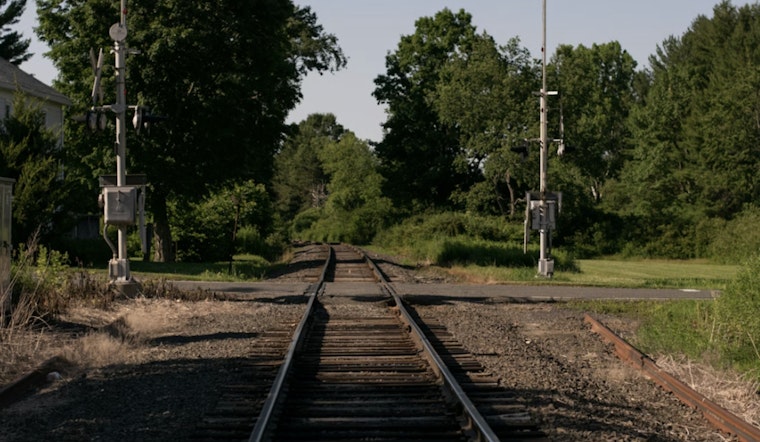
At the center of the fight was a private rail crossing at the end of Belmont Road that would need to be upgraded to public standards before roads and utilities could be extended to the parcel. Rail crossing orders and related changes must go through a coordinated process involving state and federal authorities, according to the Oregon Department of Transportation. Talent View told the court it had pushed design work forward and even offered to pay for the crossing upgrade, while city filings and testimony focused on whether the municipality still had an obligation to keep reapplying after earlier approvals expired. That procedural history, along with multiple development attempts dating back to the 1990s, formed the backdrop for the jury's decision.
What Is Next For Talent
Talent City Manager Alex Campbell wrote that the city is "disappointed by the verdict" and will be exploring appropriate next steps in the coming days and weeks, according to reporting by Your Oregon News. On paper, the options are straightforward: pay the judgment, file post-trial motions, appeal the jury's decision, or try to negotiate a settlement. In practice, each route carries a different mix of cost, time, and uncertainty. City Council and staff have not yet laid out a formal game plan for how they intend to respond.
Legal Options And Local Impact
An appeal or post-trial motion would keep the case alive for months and require more legal time and money, while a negotiated deal or full payment would force immediate budget choices for a small municipality. For residents and developers watching from the sidelines, the verdict is a pointed reminder that infrastructure obligations, and how a city handles them, can decide whether a project ever gets built. Local leaders now have to balance legal strategy with fiscal reality and the broader policy questions this case raises about development and public responsibilities.





