

























































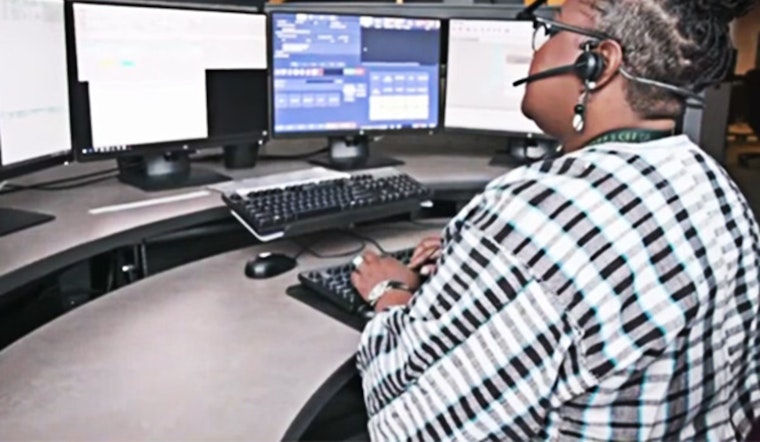
King County’s main 911 hub is poised to change how it handles some behavioral health emergencies after a county audit called out gaps in how calls are routed. The King County Sheriff’s Office communications center plans to write new rules that will direct certain behavioral health calls away from police and toward specialized crisis teams or community services instead. Auditors found call takers frequently default to sending deputies, which can leave some lower risk callers without follow-up from non-police responders. The audit also notes that while the center still meets national standards for how quickly 911 calls are answered, that performance has been sustained through heavy mandatory overtime and ongoing staffing shortages.
As reported by KOMO News, the King County Auditor’s Office released its review on Feb. 10, 2026, covering operations from 2020 through 2025 and noting that the county’s 11 call centers handle more than 300,000 emergency 911 calls each year. The county executive and the Sheriff’s Office agreed to accept the Auditor’s recommendations, including drafting clearer routing rules and pursuing broader reforms. Following publication of the report, the Sheriff’s Office said it will start writing formal procedures that spell out when 911 callers should be connected to non-police crisis services.
What the audit found
According to a report by the King County Auditor’s Office, the communications center does not have a standard operating procedure that tells call receivers when and how to offer alternatives such as 988/Crisis Connections or Mobile Rapid Response teams. In many cases, deputies are dispatched first and then expected to make referrals, a setup that uses limited law enforcement resources and can leave lower risk callers without direct access to specialized help. Auditors also flagged leadership continuity as a problem, noting that the center has been overseen by a rotating captain instead of a dedicated civilian communications professional, which they say makes long term reform harder to lock in.
The audit found that roughly one in six call receiver and dispatcher positions are vacant and that mandatory overtime is common. About half of that required overtime is used to cover compensatory leave, KOMO News reports. Supervisors are still relying on manual tools instead of modern scheduling software, which limits time they can devote to quality assurance and training. Even so, auditors noted that the center has hit the national target of answering 90% of 911 calls within 15 seconds every month since January 2024.
What happens next
The Auditor’s Office laid out several specific recommendations, including drafting routing procedures, certifying bilingual call receivers, upgrading scheduling systems and shifting the communications center to civilian leadership. The county executive and the Sheriff’s Office agreed to begin putting those changes in motion, according to the audit’s response appendix at the King County Auditor’s Office. Timelines in those responses set rollout targets across 2026 to 2028 for steps such as joining Crisis Connections’ 911 diversion program and adding a behavioral health marker to the county’s new computer-aided dispatch system. The audit notes that moving to civilian leadership will require negotiation with labor partners, a factor that could influence how quickly the new system takes shape.
How this fits into county reforms
The audit lands as King County continues expanding non-police crisis response options across the region, including work to better integrate 988 transfers and to add more mobile crisis teams funded by last year’s Crisis Care Levy, as reported by The Seattle Times. County officials have been building out dispatch and mobile services that can respond to people who are not posing an immediate safety risk, but officials and advocates say sturdier, more predictable pathways between 911 and 988 are still needed. The audit frames the 911 communications center as a key chokepoint where clearer policies and better tools could make non-police responses a reliable option at scale.
Legal and labor notes
Several of the recommended changes touch on contract language and bargaining. The report points to exploring possible adjustments to compensatory leave provisions and working with labor partners on a plan for civilian leadership, steps that could take weeks or months to negotiate and that will shape how quickly the new routing rules can be put in place.
For now, county officials say they will draft concrete rules and keep working on scheduling and staffing fixes while mobile crisis infrastructure continues to grow. The Auditor’s Office, the Sheriff’s Office and local officials all say they plan to track progress, and community groups are expected to watch closely to see whether the new procedures actually reduce police involvement in low risk behavioral health calls.





