

























































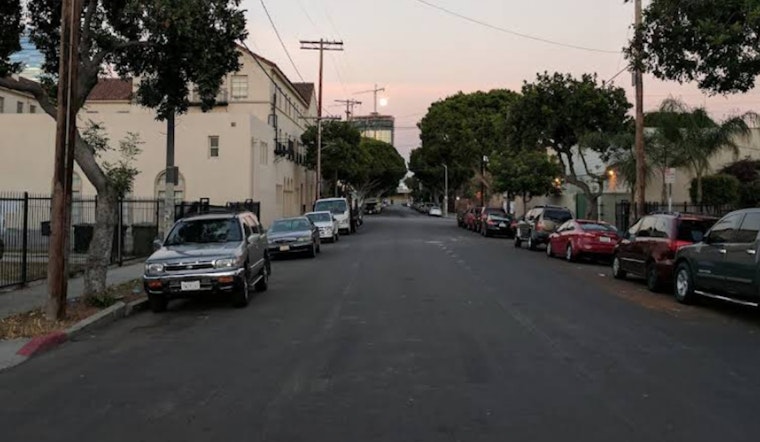
Tension ran high at a Thursday night community meeting in Pico‑Union, as frustrated neighbors demanded action over what they say is an alarming surge in street‑level sex work spilling out of Koreatown and into their residential blocks. Residents described a daily reality of sex acts unfolding in front yards, on porches and in parked cars, saying the activity has become far more visible over the past few years. As the room filled up, so did the impatience, with neighbors pressing city officials and LAPD representatives for quicker responses and firm timelines.
According to NBC Los Angeles, resident Rory Cunningham told the crowd, "The young women bring their Johns into our neighborhoods where they're having sex in our yards, on our porches, in our driveways," adding that he recently counted five women working a single corner in one night. Several attendees said they had been calling various city departments for months or even years, only to feel brushed off until the problem started reaching higher‑income blocks. Charles D’Atri, president of the Larchmont Village Neighborhood Association, said he was cautiously optimistic that a coordinated, multi‑agency push could finally start to turn things around.
City Officials Point To Western Avenue Effort
City and county leaders highlighted a targeted crackdown that launched in late January along Western Avenue, between Olympic and Santa Monica boulevards, a corridor that cuts through Larchmont, Koreatown and Wilshire Center. As reported in a crackdown on Western Avenue sex trafficking, the campaign combines prosecutions of buyers with outreach and services aimed at people being exploited on the strip. Officials also pointed to a recent LAPD human‑trafficking summit that brought together prosecutors, federal partners and nonprofit groups to coordinate strategy.
Advocates Say Enforcement Must Be Paired With Services
Advocates in the room pushed for a public‑health lens, warning that enforcement on its own will not fix what many residents described as a cycle rooted in coercion and addiction. FOX 11 reported that the nonprofit Journey Out told attendees it has handled more than 20 crisis clients tied to the Western Avenue corridor. Councilmember Hugo Soto‑Martínez was on hand to field questions about how his office is coordinating with service providers, and officials reiterated that the stated goal is to connect people with support programs rather than simply criminalize victims of trafficking.
What Comes Next For Neighborhoods
Neighbors left the forum calling for clearer timelines, more visible patrols and stronger accountability for property owners whose buildings they say attract illegal activity. Officials countered that stepped‑up enforcement and service referrals are already in progress. Prosecutors have signaled they will focus on buyers in an effort to cut demand, a tactic city leaders outlined when they rolled out the Western Avenue initiative in late January, according to a crackdown on Western Avenue sex trafficking. For now, residents say they plan to keep the pressure on City Hall and city agencies for faster results and regular updates.





