

























































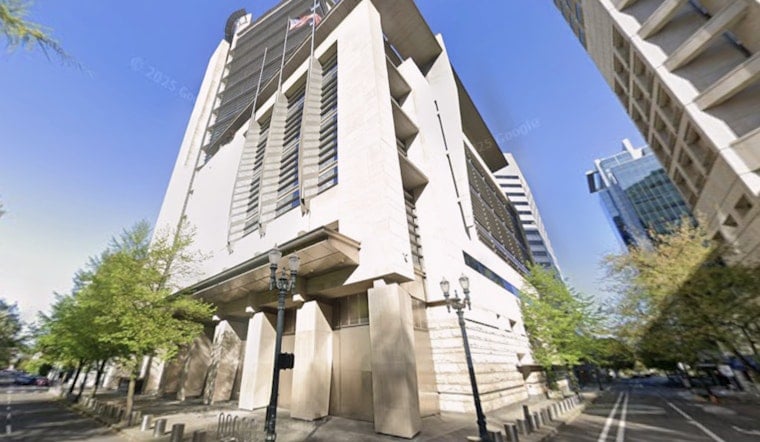
A federal civil rights lawsuit filed by William H. Minnix against Oregon Secretary of State Tobias Read has stepped into the discovery phase, nudging the case closer to a possible jury trial in Portland. Motions filed Feb. 23 cleared the way for the parties to start exchanging documents and taking depositions. Minnix, the chief petitioner behind a recall effort targeting Governor Tina Kotek, says he is seeking compensatory damages, declaratory and injunctive relief, and has demanded a jury.
According to the Grants Pass Tribune, the case is captioned Minnix v. Read, No. 3:25-cv-01962, and the filings accuse the Secretary of State’s office of conduct that Minnix says interfered with federally protected voting and petition rights. The paper reports that Minnix has asked for attorney fees and "additional remedies" in the complaint as he presses for a jury to sort out the disputed facts.
What the court record shows
The federal docket and court filings indicate that Minnix first sued in October 2025 and sought emergency injunctive relief, which a judge denied. As detailed in an Oct. 25 order available on Justia, U.S. District Judge Amy M. Baggio found that Minnix had not shown a substantial likelihood of success or irreparable harm when she denied his request for a temporary restraining order and preliminary injunction. The filings on the docket list the official case number and show the matter continues to move forward in the U.S. District Court for the District of Oregon in Portland.
Recall dispute at the center
The complaint zeroes in on the recall petition process. Minnix alleges the Secretary of State's office supplied a defective recall petition cover sheet and confusing electronic signature sheets that, in his view, discouraged or invalidated lawful signatures. In a statement quoted by the Grants Pass Tribune, Minnix said, "This case is about accountability and the protection of federally guaranteed rights," adding that he is committed to full discovery so the facts can be reviewed by a jury of his peers.
Legal implications
Suing a state official in an official capacity can trigger sovereign immunity issues and narrow the types of remedies available, a point the Supreme Court highlighted in Legal Information Institute's summary of Will v. Michigan. At the same time, federal courts sometimes allow prospective equitable relief against state officers under the Ex parte Young doctrine, which permits injunctions aimed at stopping ongoing violations of federal law, as discussed in FindLaw's coverage of Ex parte Young. Taken together, those doctrines mean the suit could yield relatively narrow injunctive orders, fee awards, or, depending on how the pleadings fare against upcoming motions, a jury trial focused on damages.
Next steps
With the case now in discovery, both sides will get a chance to build a factual record that could shape future motions or possible settlement talks. The federal docket for Minnix v. Read is publicly accessible on legal docket services, including Justia, and upcoming hearings or deadlines on the U.S. District Court calendar will determine whether the dispute ultimately reaches a jury.
The case remains at an early procedural stage, and no court has ruled on the core allegations. We will continue to watch new filings and any statements from the Secretary of State's office as discovery unfolds, and report on developments that could affect how Oregon handles recalls and election rules.





