

























































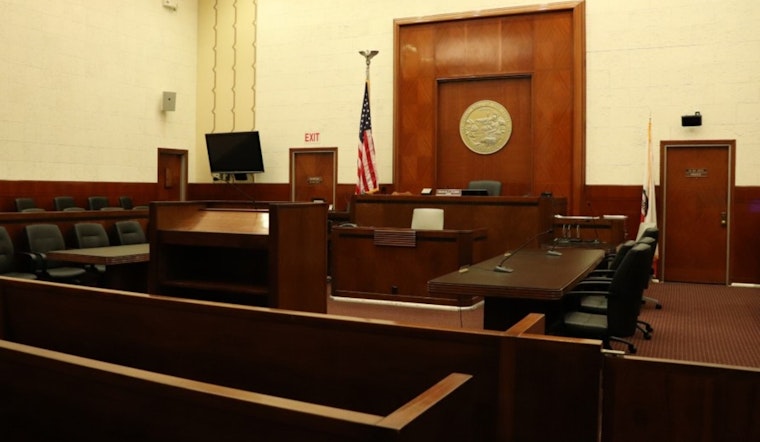
A California appeals court has thrown out the 2023 conviction of former UCLA gynecologist James Heaps, ruling that procedural missteps during jury deliberations deprived his defense of a fair shot to address concerns about a juror. The case now heads back to the trial court for a possible retrial. Heaps remains in custody on the 11-year state prison sentence he received after a split jury verdict. At the heart of the ruling is a note from the jury foreperson questioning whether a substituted juror’s English skills were strong enough to allow for fair deliberations.
Why the appeals court reversed the verdict
In a 31-page opinion, a three-justice panel found that the trial judge never told defense lawyers about the foreperson’s written note, which flagged issues with Juror No. 15’s English proficiency and ability to fully take part in deliberations. The justices concluded that the judge’s private back-and-forth with the jury, without input from either side, meant the defense “had no opportunity to suggest questions to the judge,” creating reasonable doubt about whether the juror could meaningfully participate. The focus of the ruling and its language are laid out by The Associated Press.
Conviction, sentence, and the civil fallout
Heaps had pleaded not guilty to 21 felony counts based on accusations from seven women and was convicted in October 2022 on five of those counts. In April 2023, a judge sentenced him to 11 years in state prison. Coverage from CBS Los Angeles details how the jury acquitted him on some charges and deadlocked on others, leaving several counts unresolved. Outside the criminal courtroom, civil fallout has been massive: the University of California system has agreed to pay nearly $700 million to settle hundreds of claims involving Heaps and UCLA, according to the Los Angeles Times.
What happens next
The appellate ruling sends the case back to the trial court for further proceedings, which could include retrying the counts that previously ended in a hung jury. The opinion notes that the trial judge twice dispatched his judicial assistant into the jury room in response to the foreperson’s note and that none of this, including the existence of the note itself, was disclosed to either side. That sequence of behind-the-scenes communication featured prominently in the court’s reasoning, as reported by ABC7. Prosecutors, defense lawyers, and the trial judge now must sort out whether to press forward with a new trial under the appellate court’s guidance.
Legal implications
The decision highlights how sensitive courts must be to jury communications and juror substitutions once deliberations are underway, particularly when lawyers are kept in the dark. The panel framed the issue as a Sixth Amendment problem, rooted in the right to counsel at critical points in a criminal case. “The importance of the constitutional right to counsel at critical junctures in a criminal trial gives us no other choice,” the justices wrote, as noted by The Associated Press. In practical terms, the ruling could mean recalling witnesses who already testified and forcing prosecutors to decide whether attempting to retry long-running allegations is workable and appropriate.
Victims, UCLA, and the bigger picture
Survivors and their lawyers have previously described the civil settlements as only partial vindication, while UCLA has publicly called the alleged conduct “reprehensible” and said the large payouts have resolved most claims, according to the Los Angeles Times. Victim advocates caution that any retrial will require survivors to relive painful testimony in open court again, even as the case continues to test how the justice system weighs strict procedural protections against the emotional and practical toll of revisiting historic abuse allegations.





