

























































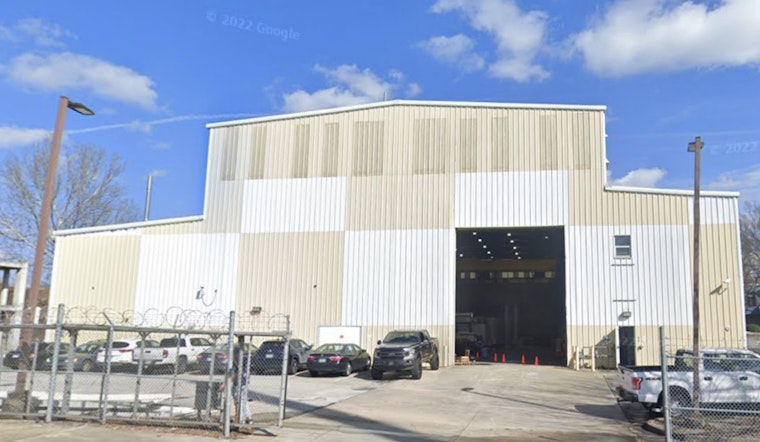
Georgia Tech's Structures Laboratory was cleared out Friday after an exterior tank released liquid nitrogen, according to the Atlanta Fire Rescue Department. Hazardous-materials crews checked the scene, reported no hazardous vapor cloud and no injuries, then secured the system and gave the all clear for the building to return to normal operations. Officials have not yet said what caused the leak.
What crews found
Firefighters headed to the lab after reports of a release on the left side of the building and found a tank actively releasing liquid nitrogen. Crews evacuated the Structures Laboratory and set up a safety perimeter while hazmat personnel evaluated the area, according to FOX 5 Atlanta. The outlet reports AFRD confirmed there was no fire, no hazardous vapor cloud and no injuries, and that once the system was secured, normal operations were allowed to resume.
Campus context
Research labs across Georgia Tech's campus routinely handle cryogenic liquids for experiments, including liquid nitrogen and helium used to chill test systems for semiconductors and other advanced work. As explained by Georgia Tech's School of Electrical and Computer Engineering, those setups require specialized handling and monitoring, which helps explain why firefighters treat any unexpected release as a serious hazmat situation.
Why nitrogen releases can be dangerous
Liquid nitrogen is not flammable, but once it vaporizes it can push out oxygen and create an oxygen-poor atmosphere that can lead to asphyxiation. That means even a release that looks small can be risky in the wrong space. The U.S. Chemical Safety Board's final report on a 2021 liquid nitrogen leak in Gainesville that killed six workers pointed to equipment failures and poor monitoring and called for stronger standards and atmospheric monitoring wherever cryogenic systems are used. The CSB urged better alarms, training and safety systems to prevent repeats of that kind of tragedy.
Officials and next steps
AFRD told reporters the release at Georgia Tech was controlled and that there is no ongoing threat to the public, although the cause of the incident has not been disclosed. FOX 5 Atlanta notes the department shared incident details by email, and Georgia Tech and city officials did not immediately post more detailed public statements about any follow-up inspection. Campus environmental health and safety teams typically review events like this and may look again at procedures, training and equipment after a cryogenic release.




