

























































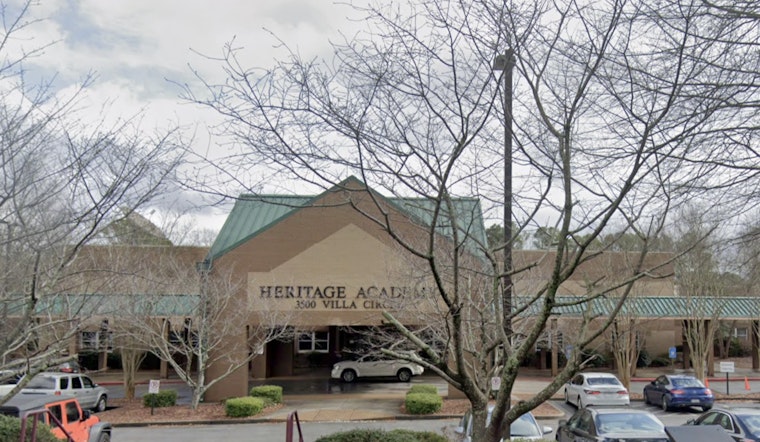
Atlanta Public Schools is betting that more time with books — and a much more deliberate reading plan — can reverse a stubborn early-literacy problem: only about one in three third graders currently reads proficiently. The district is launching its Accelerated Literacy Model at four elementary schools this school year, putting Pre-K through third grade at the center of its reading rescue.
The four launch sites are Heritage Academy, Emma Hutchinson Elementary School, Fred A. Toomer Elementary School and Tuskegee Airmen Global Academy, according to CBS News Atlanta. The model is designed for the years when students are expected to build the reading skills they will need for nearly every subject that follows.
APS’s own description of the program lists current third-grade Georgia Milestones English Language Arts proficiency at 34.9%, a figure that has remained largely flat over the past decade. The district’s midyear report also identified early literacy as a primary concern, with third-grade rates hovering around 35%, according to an APS report.
A Full-School-Day Literacy Reset
APS says the Accelerated Literacy Model is not an after-school add-on but a schoolwide redesign of schedules, instructional practices and teacher training. Its framework emphasizes structured, explicit instruction rooted in the science of reading, along with longer and more flexible literacy blocks, as outlined on the district’s literacy model page.
Students will receive at least one hour of literacy instruction each day, plus intervention time aimed at individual needs. Teachers at the four schools will also receive specialized literacy training, use weekly planning time to examine student work and adjust lessons, and weave reading instruction into writing, science and social studies, CBS News Atlanta reported.
The teacher expectations are unusually demanding for a pilot: APS says participating educators are expected to complete roughly 200 additional hours of professional learning each year, including advanced training in structured literacy practices. Preferred experience includes LETRS, Wilson Reading or Orton-Gillingham training, according to the district’s published program materials.
The Bet Behind The Pilot
Toomer Principal Caroline Brown told CBS News Atlanta that solid foundational skills can help children become fluent and comfortable readers before they reach fourth grade. She also warned that students who realize they are falling behind may withdraw from class, avoid school or act out to mask the struggle.
The district is bringing in community organizations, including the Center for Puppetry Arts, to show students how literacy connects to creative work and future careers. Brown hopes the evidence from the four schools will eventually give APS a reason to expand the model across more campuses.
For now, the program is a concentrated bet on early intervention rather than another promise to make incremental gains. The first real verdict will come when APS can compare student growth at the four schools with the reading results that pushed the district to try something more aggressive in the first place.



