

























































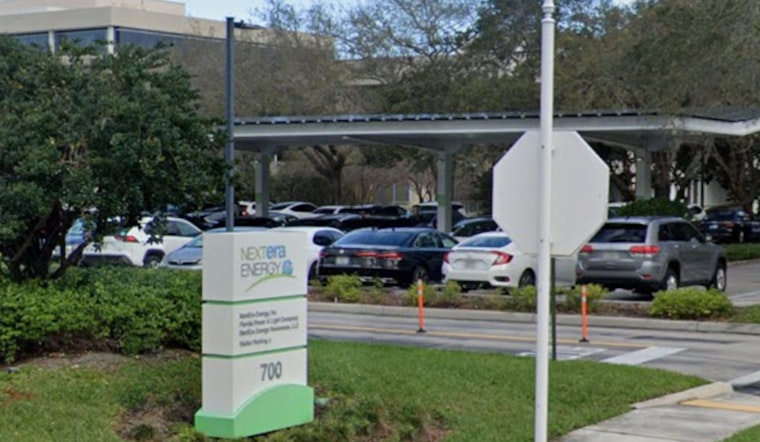
If your Florida Power & Light bill just crept up, Florida’s public counsel Walt Trierweiler says that is no accident. He told viewers Sunday that the higher charges now hitting mailboxes reflect customers’ share of a multiyear rate settlement approved by state regulators, and he made it clear his office is fighting the deal in court.
Trierweiler warned that those first, relatively small bumps on monthly bills could grow over time as the four-year settlement fully phases in.
In an interview with Local 10, Trierweiler said the settlement was hammered out by a coalition of large corporate customers and the utility, while residential advocates were largely left out of the key negotiations. He told host Glenna Milberg that his office has asked regulators to reconsider the order and is pursuing legal avenues to overturn it.
What the settlement does
The Florida Public Service Commission signed off on a four-year deal with FPL that takes effect Jan. 1, 2026 and is set to add hundreds of millions of dollars in base revenues over the next two years. According to NextEra Energy, a typical 1,000-kWh residential customer in most of the state will see about a $2.50 monthly increase in 2026.
The agreement also steers money into solar and battery projects through the decade, part of a longer-term plan FPL and its parent company tout as modernizing the grid.
Why Trierweiler is fighting
Opponents, including the Office of Public Counsel and consumer groups, argue the deal came together without meaningful input from residential advocates and tilted the benefits toward large commercial users instead. Advocacy organizations such as Food & Water Watch have laid out those objections in detail and highlighted alternative proposals they say would have protected households from what they describe as the largest rate hike of its kind in U.S. history.
What it means for South Florida households
FPL and state regulators maintain that the immediate impact for many households will be modest, amounting to a couple of extra dollars a month for the typical customer. Watchdogs counter that the cumulative hit could be much heavier once other charges and future increases are factored in.
Local coverage notes that while the “typical” 1,000-kWh bill change looks small next year on paper, advocacy analyses point to larger long-term price pressure that could fall hardest on renters and residents living on fixed incomes. WFLX reported on both the commission’s vote and the public backlash that followed.
Legal and political fallout
The Office of Public Counsel and allied intervenors filed a joint motion for reconsideration in February and requested oral argument challenging the commission’s final order, according to paperwork the utility itself disclosed in federal securities filings. The motion is noted in a filing with the SEC, which also warns that the dispute could continue in the courts.
Meanwhile, lawmakers in Tallahassee have rolled out proposals to change how the Public Service Commission does business. One bill, SB 126, would expand the commission and require that affordability be considered explicitly in future rate orders, reshaping how similar cases might be decided down the line. Florida Phoenix has tracked the measure’s progress.
Trierweiler said he is prepared to take the fight as far as necessary and urged consumers to keep an eye out for court filings and agency notices that will signal the next moves. The full interview is available from Local 10.





