

























































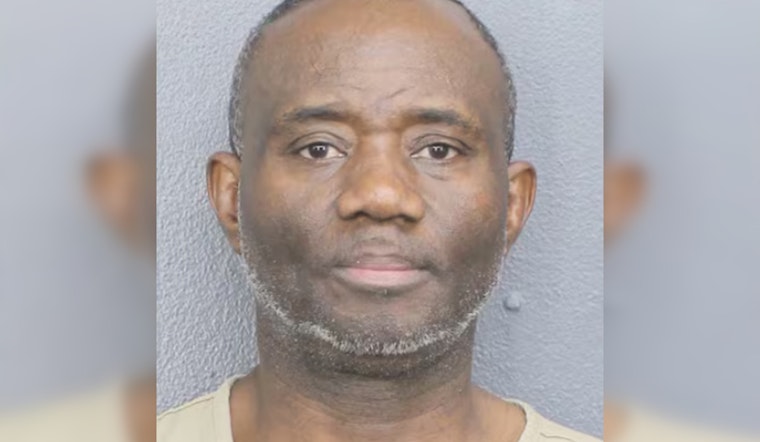
A Miami Shores man is accused of turning a 71-year-old retired nurse's trust into his personal bank account, leaving her life savings gone and her home out of her name. Prosecutors say he took control of the woman's legal and financial affairs, emptied her bank accounts and shifted the title of her Miami Shores property into his own name. The woman, who lived with her disabled adult daughter, died on Dec. 16, 2022.
The Miami-Dade State Attorney's Office laid out the case in a press release, cited by WPLG Local 10. Prosecutors have charged 55-year-old Lyne Bien-Aime with exploitation of an elderly or disabled person, grand theft from a person over 65 and a scheme to defraud, each tied to alleged losses of more than 50,000 dollars, along with one count of unlawful filing of false documents.
What Prosecutors Allege
According to prosecutors, Bien-Aime met the retired nurse "through associations with the victim's church" and then, they say, began presenting himself to others as family. Authorities allege that he falsely claimed to be the woman's nephew when dealing with medical providers and relatives, cut her off from those relatives, obtained power of attorney, had her sign legal paperwork and drained multiple bank accounts before arranging to transfer her Miami Shores home into his own name.
The victim's disabled adult daughter, who lived with her mother, was taken to New York by relatives during the nurse's health crisis and remains there, authorities said, as reported by WPLG Local 10.
Charges And What They Mean In Court
Each of the main charges against Bien-Aime is a first-degree felony under Florida law, which can carry prison terms of up to 30 years. The unlawful filing of false documents count is a third-degree felony that can bring up to five years, according to state sentencing rules.
In Miami-Dade, elder exploitation cases typically move through specialized elder and economic crimes units that handle everything from arraignment and any possible grand jury presentation to pretrial hearings. For the legal fine print, see the Florida Statutes and the elder exploitation resources provided by the Miami SAO.
A Wider Problem
What allegedly happened in Miami Shores is part of a much bigger national pattern. Recent reporting from the FBI's Internet Crime Complaint Center describes a sharp rise in elder fraud complaints and billions of dollars in reported losses. Advocacy organizations such as AARP estimate that older Americans lose tens of billions of dollars every year to financial exploitation.
Many of those cases start not with a stranger on the phone but with someone the victim already knows and trusts, which makes abuse harder to spot and to stop. That dynamic is a key reason prosecutors say they treat elder exploitation as a priority, as reflected in the FBI IC3's annual elder fraud reporting.
Where To Get Help
If you suspect an older person is being financially exploited, officials urge you not to sit on it. In Florida, you can call the Florida Abuse Hotline at 1-800-96-ABUSE (1-800-962-2873). In Miami-Dade County, families can also reach out to the State Attorney's Office victim services or elder exploitation unit for help navigating what to do next.
The Miami-Dade State Attorney's Office and the Florida Department of Elder Affairs both maintain hotlines and resource pages that explain how to report suspected exploitation and how families can seek legal and financial assistance, including statewide prevention efforts and victim support programs (Miami SAO; Florida Department of Elder Affairs).





