

























































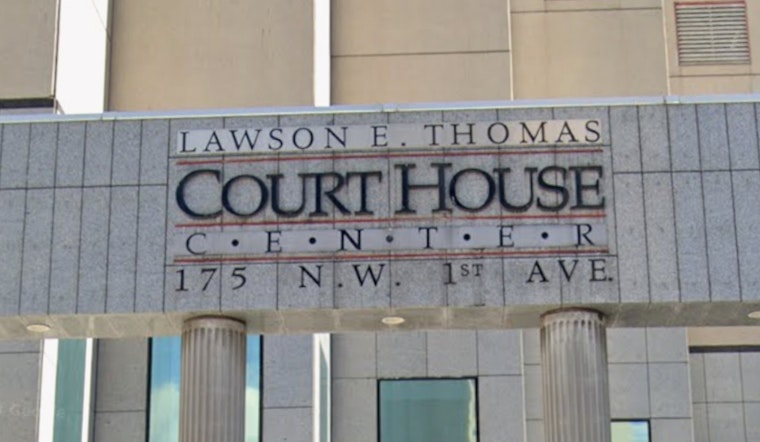
A man who looked uncannily like Nicolas Cage popped into a 2023 Miami-Dade Zoom hearing, introduced himself as a cyber specialist, and rattled the courtroom so much that the judge shut the whole thing down. Plaintiff Roy Miller says the on-screen visitor’s speech and mouth movements did not sync, so he blurted out, “Your honor, this sounds like a deepfake.” Miller later filed a motion for sanctions in the case and says the judge has not yet ruled.
What Happened in the Hearing
According to WSVN, the Cage lookalike appeared as someone objecting to a subpoena, and Miller hit record on his computer as the odd exchange unfolded. The station reports that the judge scribbled “AI?” in court paperwork and ended the hearing after the on-screen participant could not produce identification. Miller told reporters he was "in shock" and has accused opposing counsel of using the video. His motion for sanctions is still pending, WSVN noted.
Courts Are Moving Faster Than the Tech
Miami-Dade’s chief judge has already tried to get ahead of exactly this kind of drama. Administrative Order No. 26-04 now requires attorneys and self-represented litigants to disclose any generative AI they use to draft pleadings, and to certify that all facts and citations have been checked the old-fashioned way. As summarized by The Florida Bar, anyone who slips in undisclosed or fabricated AI content risks sanctions, which can include striking filings, monetary penalties, and referrals for discipline.
Experts Say Fakery Will Only Get Better
Local experts are warning that the tech is sprinting ahead of most people’s instincts. In a segment aired by WSVN, the Miami Law & AI Lab showed how a simple voicemail and a single photo can be stitched into a convincing computer-generated video. MiLA director Or Cohen-Sasson cautioned that modern tools can already produce near-4K footage that is extremely hard to spot as fake with the naked eye. That prospect is pushing lawyers to treat metadata, provenance, and forensic review as routine parts of handling digital evidence.
Where This Is Already a Problem Nationally
Courts outside Florida are running into the same minefield. Commentators point to a 2025 California case in which a judge decided that a submitted witness video showed hallmarks of generative AI and tossed the case, a cautionary episode detailed by JDSupra. Forensic and e-discovery specialists are pushing practical countermeasures: preserve native files, capture checksums, demand device metadata, and bring in experts early, guidance laid out in a webinar and written guide from Nextpoint. Those protocols are quickly becoming the minimum standard in any case where a piece of media could swing the outcome.
What This Means for Miami Litigants
The upshot in Miami is clear: lawyers now have an explicit duty to disclose how they use AI and to stand behind the accuracy of what they file, or they risk sanctions under the local order. The Miller episode, along with similar stories emerging around the country, shows why judges, prosecutors, and defense lawyers are tightening up their forensic playbooks before the next glitchy Zoom hearing hits the docket. For now, the heavy lift falls on attorneys and eDiscovery teams, who are being urged to insist on native copies, demand provenance, and document chain of custody long before any suspicious clip is shown to a judge or jury.





