

























































San Diego’s grand plan for the Pechanga Sports Arena site is very much alive, even after the California Supreme Court refused to take the city’s appeal and the old 30-foot height limit in the Midway District snapped back into place. Mayor Todd Gloria and the Midway Rising development team say they are not backing off, promising public hearings and a City Council vote this spring while lawyers and planners hunt for workarounds. The roughly $3.9 billion proposal would bring thousands of homes, a big share of them income-restricted, along with parks, retail and a new arena, turning the area into a political and legal flashpoint for neighbors and developers.
What the court did
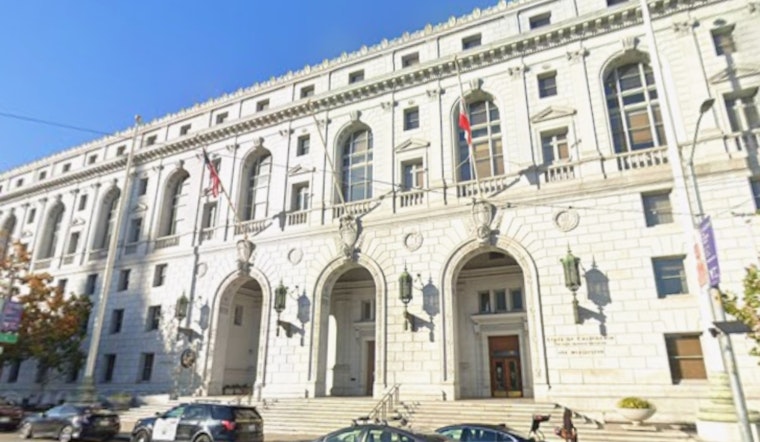
The state high court’s decision not to hear the case leaves in place an appellate ruling that found the city failed to fully disclose environmental impacts when it asked voters to lift the coastal height cap. In practice, that means a lower court order remains in force, wiping out the ballot measures that would have allowed taller buildings in the Midway District and restoring the 30-foot height limit for now. The Judicial Branch summarized the outcome and its impact on the Midway measure, as reported by California Courts Newsroom.
Plan on the table
The Midway Rising blueprint would turn about 48 to 49 acres around the existing arena into a dense mixed-use neighborhood, with roughly 4,250 homes, including about 2,000 income-restricted units. The proposal also calls for a 16,000-seat entertainment center and nearly 15 acres of parks and public space. The City of San Diego’s project materials spell out the unit counts, project phases and amenities, while an independent analysis by the San Diego Regional EDC estimates the development could generate about $285 million a year in local economic activity.
Mayor and developers vow to push
In his State of the City speech, Mayor Gloria pledged to bring Midway Rising forward for public hearings and a council vote this spring, and city staff say they are working through several possible paths to keep the overhaul moving. Developer Brad Termini told Axios the team expects to lean on state tools such as the density-bonus framework and plans to route the project first through the Land Use & Housing Committee, then to the full council. Earlier coverage of the mayor’s stance and the city’s timing appeared in Gloria refuses to fold.
Legal options under review
City officials say their menu of options includes new or supplemental environmental analysis, using the state density-bonus law to secure waivers from certain local development standards, and potentially seeking narrowly tailored legislation aimed at clearing specific legal hurdles. Local reporting has kicked around the idea of a custom legislative carve-out, though legal experts caution that such a move could simply invite another round of lawsuits. For background on how the density-bonus system works and where its limits lie, officials point to Government Code section 65915 and ongoing local reporting on the prospects for targeted legislation.
Opposition and litigation
Opponents organized as Save Our Access went to court after voters approved the measures, arguing that the city had not adequately studied environmental impacts ranging from air flow and wildlife to broader neighborhood effects. Lower courts agreed and ordered the voter approvals rescinded. The group’s materials stress protecting the coastal height cap adopted in 1972 and warn that higher buildings would alter neighborhood character and worsen congestion. Court filings and the appellate opinion form the legal backbone for the return of the 30-foot limit.
Why this matters
Supporters argue Midway Rising offers a rare package: a large infusion of affordable housing paired with a modern entertainment venue, translating into thousands of homes, new jobs and expanded event capacity for San Diego. The Regional EDC’s analysis pegs the potential annual economic impact in the low hundreds of millions of dollars, and developers have likened the project’s possible draw to some of the city’s biggest convention events. Those economic projections, combined with the promise of thousands of income-restricted units, are central to the political push to find a legally durable path forward.
Legal implications
Any effort to advance the project using density-bonus waivers or a one-off legislative exemption will be closely examined under CEQA and the California Coastal Act. Courts could again demand additional environmental review if they conclude key impacts were not clearly disclosed. The Save Our Access win has already shown how litigation can unravel multi-year public-private deals, and attorneys warn that any perceived shortcut is likely to be rigorously tested in court.
What to watch next
For now, the timeline calls for the Midway package to head first to the Land Use & Housing Committee, then to the full City Council this spring. The city has also extended its exclusive negotiating period with the Midway Rising team to give more room for planning and legal work. In the coming months, watch for fresh or supplemental environmental documents, any hint of draft legislation out of the mayor’s office and crowded public hearings as neighbors, labor groups and housing advocates clash over priorities. The city’s project page continues to carry the official schedule and key materials.





