

























































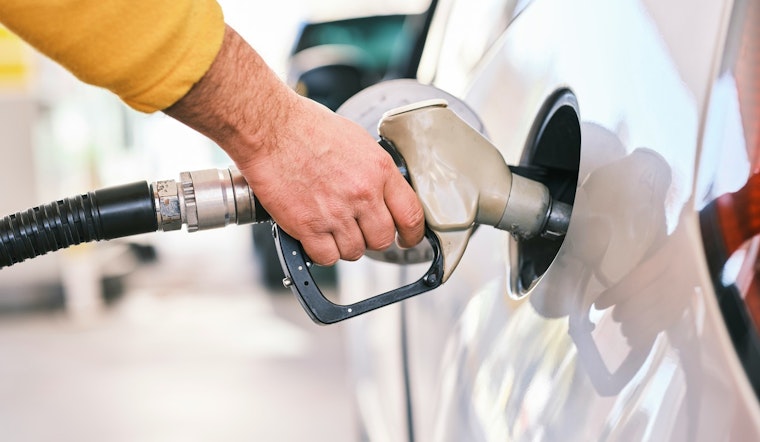
That routine stop at the gas station is stinging a bit more this week for Minnesota drivers, as regular gasoline prices jumped 12.9 cents per gallon and pushed the statewide average to about $2.71. The bump breaks a short streak of modest declines and is adding fresh strain for commuters and small businesses that burn through a lot of fuel. What used to feel like a quick, forgettable fill-up is starting to leave a more noticeable mark on household budgets.
According to state radio station WJON, which cited data from GasBuddy, Minnesota’s average price rose 12.9 cents this week to $2.71 per gallon. The same survey shows the national average edging up 1.2 cents to $2.88, while diesel climbed 6.2 cents to $3.68. GasBuddy, via the station, ties the spike to more expensive crude and a growing geopolitical risk premium that is filtering down to the pump.
Why Prices Are Rising
Global crude markets have been heating up as traders bake in the risk of supply disruptions linked to rising U.S.–Iran tensions, a move Reuters reported and that was carried by Channel News Asia. As Brent and WTI crude rally, wholesale gasoline costs follow, and those increases eventually show up at Midwest stations. Analysts quoted in that coverage point to the geopolitical premium as the immediate trigger behind the latest bump in prices.
Where Minnesota Stands
Despite this week’s jump, Minnesota’s average is still hovering around the same territory seen earlier in February. The federal government’s weekly series from the Energy Information Administration showed retail regular gasoline in the state sitting in the low $2.70s earlier this month. That federal data also highlights how quickly statewide averages can swing from week to week as refinery maintenance, seasonal blend changes and crude price moves all ripple through the market. For drivers trying to stretch a dollar, the gap from one station to the next and the day-to-day shifts can matter more than a single statewide figure.
Looking ahead, market watchers say the path for pump prices hinges largely on crude. If U.S.–Iran tensions cool and crude prices give back some of their gains, retail gasoline could ease. If the situation escalates, the geopolitical premium would keep leaning on prices, analysts told Channel News Asia. Until the dust settles, motorists can blunt the impact a bit by shopping around for cheaper stations, tapping loyalty programs and combining errands to cut down on extra trips while volatility runs its course.





