

























































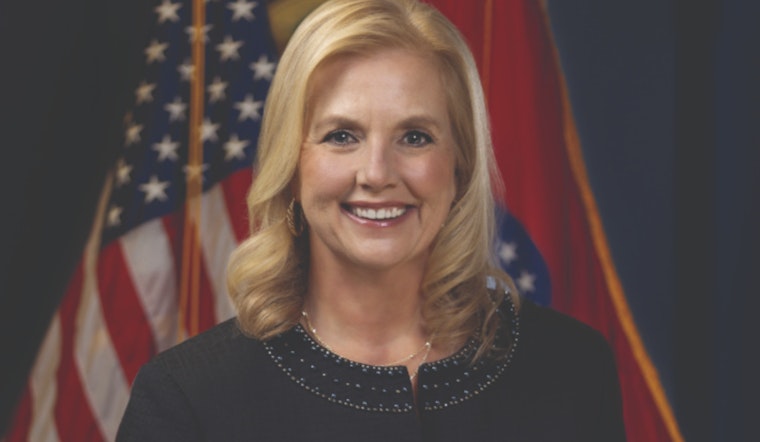
Missouri Attorney General Catherine Hanaway has joined forces with 21 other state attorneys general, to lend her support to a lawsuit from Louisiana challenging a Biden administration decision to increase accessibility to abortion drugs via mail and telehealth, in direct conflict with existing state laws. The specifics of the lawsuit take aim at a 2023 Food and Drug Administration (FDA) action which ostensibly removed stringent requirements on the dispensation of the drug mifepristone, making it permissible for doctors in one state to prescribe the drug to patients in another state, as detailed in a statement from the Attorney General's Office.
The legal brief filed by the multi-state coalition claims that the FDA's rule usurps state powers and neglects the protection of unborn life, it's drawing attention to the effects of such federal overreach, particularly post the Dobbs Supreme Court decision which returned the regulation of abortion to the individual states and the ripple effect this action could have, resulting in a strain on state health systems and Medicaid programs; this information has been echoed by Hanaway who stated, "The federal government cannot simply sweep aside state protections; when it does, we have an obligation to act," as per the Attorney General's Office.
The current legal wrangling is a response to perceived transgressions by the federal government upon states' rights, specifically, within the domain of abortion policy and regulation, the heart of the argument posits California and New York could dictate abortion policy in states with more restrictive stances on the procedure through the provision of telehealth prescriptions that are illegal under the recipient states' laws. This broader coalition, which includes such states as Alabama, Alaska, Arkansas, Georgia, Idaho, and many others, is coalescing around this suit currently in progression through the federal courts in Louisiana where plaintiffs are actively seeking to impede the controversial FDA rule.
Attorney General Hanaway is familiar with leading such multistate endeavors, having previously steered actions aimed at halting the distribution of what are referred to as high-risk chemical abortion drugs, like mifepristone, via mail-order systems; these previous efforts argue the importance of maintaining critical safety protocols around such drugs—protocols that include requirements from Congress and obligations from drug manufacturers before such products are sanctioned for public consumption the suit further contends that provisions catering to, and enabling, a mail-order drug market ignore these established safety measures.




