

























































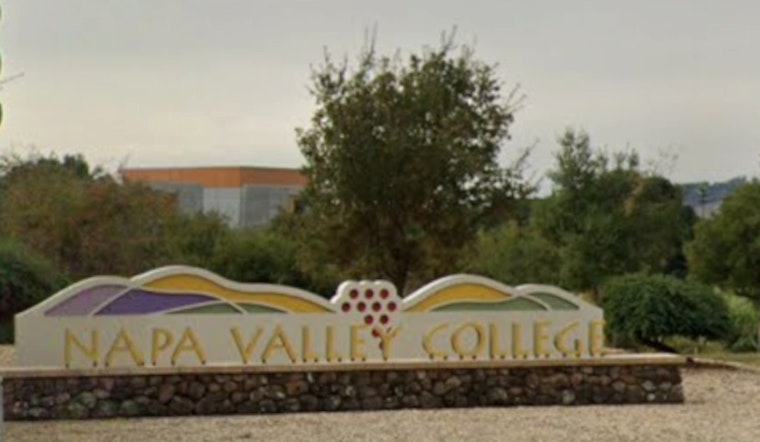
In a packed Napa Valley College boardroom this week, trustees voted to cut staff and shut down the college’s adaptive physical education program, a move administrators say is necessary to close a widening budget gap. The board approved 16 layoffs and the elimination of 17 vacant positions, 33 roles in all, and the school says adaptive PE classes will no longer be offered beginning in the 2026–27 academic year. Roughly 100 people showed up, and the decision drew hours of public comment from students, parents and longtime instructors.
The 4-2 vote followed a staff recommendation from Superintendent/President Torence Powell, with trustees Ines De Luna and Jason Kishineff voting no and Trustee Jennifer Baker absent. Kinesiology professor Christy Kling, who has taught the adaptive class since 1986, told the board she was "not consulted before the decision was made," and nearly 40 people signed up to speak during public comment. Trustee Jeni Olsen told the meeting the adaptive PE program might be restored only if new funding or outside partnerships are secured, and the motion to approve the cuts ultimately carried later in the session, as reported by The Press Democrat.
Adaptive PE Program and Who It Served
The adaptive physical education program offered individualized fitness, mobility and aquatics classes built around wheelchair-accessible machines and specially designed equipment. According to Napa Valley College, the curriculum included adaptive weight training and other sessions tailored to students’ needs and ran multiple times each week. Instructors and community members said the classes helped attendees gain strength and independence that they said would be hard to replace on private plans alone.
Budget Numbers and Board Rationale
College administrators told trustees their projections show a $3.75 million deficit in 2027 and a $4.4 million shortfall in 2028, and they forecast lower state support and fading federal grant dollars that together could cost the district millions more. The board resolution cited "sunsetting federal funding sources," stagnating state funding and underperforming local property-tax receipts as reasons for declaring financial hardship. The resolution, the administration’s projections and the college’s statement that core services for disabled students will continue through its DSPS office were detailed by The Press Democrat.
What Federal Law Requires
Because Napa Valley College is a public institution, federal civil-rights rules require that students with disabilities have meaningful access to programs under Title II of the Americans with Disabilities Act and Section 504 of the Rehabilitation Act. Federal guidance says public entities must make reasonable modifications to policies, practices or procedures unless doing so would fundamentally alter a program, and complaints can be filed with the U.S. Department of Education’s Office for Civil Rights. See ADA.gov and the U.S. Department of Education for the federal compliance framework that governs access and accommodations.
Next Steps for the College and Community
Trustees approved the resolution and the cuts take effect as the college moves to rebalance its budget, but several trustees and community advocates said they will pursue alternatives and partnerships to restore services. College leaders and community groups now face a choice of finding new revenue streams, seeking grants or partnering with local providers to fill gaps left by the program’s suspension. The board scheduled follow-up budget work and the college said it will provide more details in coming weeks.





