

























































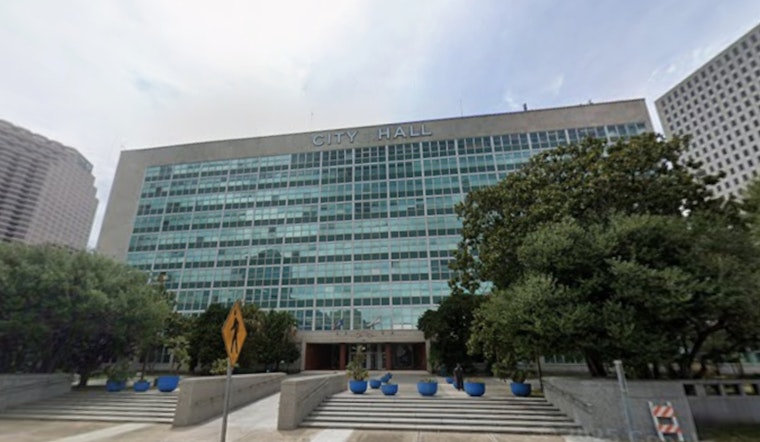
Big news for New Orleans residents tired of dodging potholes: Mayor Moreno and the New Orleans City Council announced a plan to pour over $6 million into street paving projects, a move that marks a significant shift toward a municipal-run approach for infrastructure repairs. The council confirmed the reallocation of funds sourced from unused bonds ranging from 2019 to 2024, ensuring the city itself will patch, pave, and maintain its own roads with newly acquired equipment and a dedicated workforce as part of a new, in-house Street Maintenance Unit, as reported by the City of New Orleans.
This isn't just about fixing streets, though; it's a concerted effort to keep jobs local—with Mayor Moreno's office and the City Council advocating for employing New Orleans citizens to better their own community, these extra dollars are aimed at job creation as much as smoother rides, the ordinance details aims to redirect $5.8 million previously earmarked for private contractor bids, which will now support the new paving outfit, hiring 50 full-timers for the task at hand, fostering homegrown talent in tackling the literal groundwork of urban improvement, according to the City of New Orleans.
According to a press release from the City of New Orleans, additional reallocations of funds cancel some external contractor projects, like the Broad St. Bridge Delineator Upgrades, pursuing grant funds instead, while the Downtown Development District re-routed nearly $18k meant for drainage improvements, instead feeding the newly minted paving program.
Council President J.P. Morrell expressed his dissatisfaction with the status quo, arguing that city services should be held in public hands for superior accountability, quality, and long-term value—unsurprising, then, that Council Vice President Matthew Willard echoed this sentiment, pitching the in-house team as a wiser investment, ultimately designed to fix streets faster, cut red tape, and offer residents a clear line of sight to tangible improvements across their neighborhoods regardless of the delays and dependency traditionally involved with outside contractors.
The new street paving initiative, reflecting a deeper philosophy of self-reliance and proactive urban stewardship, underscores a broader strategic shift through which the current administration wants to redefine how public services operate. District Councilmembers across the board—from Aimee McCarron to Eugene Green—are backing this new municipal ethos, lauding its expected efficacy, accountability, and community-driven workforce. The special measure goes to the City of New Orleans for initial consideration on February 12, setting the stage for a final vote two weeks thereafter on February 26.





