

























































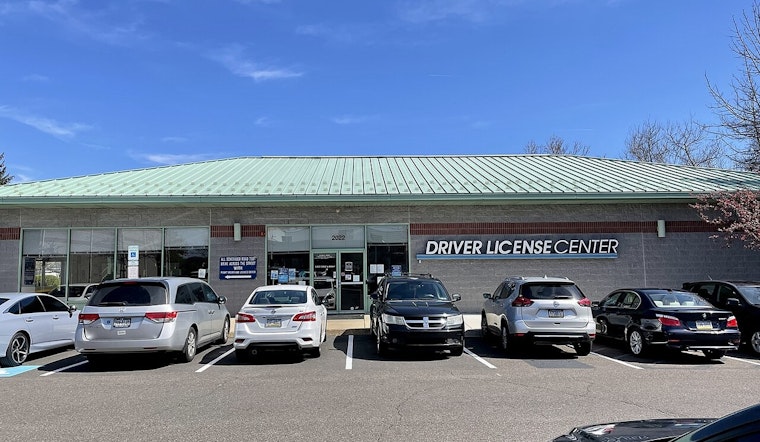
Pennsylvania’s transportation officials are reminding families that there is no shortcut to a teen driver’s license. Under state law, anyone under 18 with a learner’s permit has to log 65 hours of supervised driving before they can even sit for the road test, and the state is making it clear that if those hours are not documented, the test simply will not happen.
The rule is not just about time behind the wheel. Of those 65 hours, at least 10 must be at night and at least 5 must be in bad weather. A parent or guardian has to certify that the practice is real, not just optimistic guesswork, and that certification has to be presented before the exam starts. The reminder, shared on the agency’s social media channels, was essentially a public-service heads-up to families: show the paperwork, or the test is a no-go.
What the law requires
According to PennDOT, learner’s permit holders under 18 must hold the permit for at least six months and complete the full 65 hours before a road test can be scheduled. State materials spell out the minimums for night driving and bad-weather practice, and they also spell out the paperwork requirement: a signed Parent or Guardian Certification (form DL-180C) has to be handed over at the test site.
PennDOT notes that certified third-party examiners are allowed to administer the skills test for a fee in many parts of the state, but they follow the same rules. No completed certification form means no test, whether at a driver's license center or a private testing location.
How to log and prove practice time
For parents trying to track every trip to school, practice, and the grocery store, the Parents’ Supervised Driving Program offers both structure and tools. Its free mobile log app, RoadReady, that lets families track each drive, including time of day, conditions, and skills practiced, then export a printable log for test day.
Printable lesson plans and step-by-step practice guides are available through the Parents’ Supervised Driving Program. The materials are designed to make sure teens get time on highways, in the dark, and in bad weather, instead of just circling the neighborhood in perfect conditions. Families can show either the app-generated log or a handwritten version when they present documentation at the road test.
Before you schedule a test
When it is time to book the road test, families are expected to show up fully prepared on the paperwork front. That means bringing the learner’s permit, proof of insurance and vehicle registration, the supervising driver’s license, and the signed DL-180C form confirming that all 65 hours are complete.
PennDOT makes it clear that examiners are not allowed to administer the test if the parent or guardian certification is missing. Appointments and lists of certified third-party examiners are available through the agency’s online scheduling tools, which families can use once the practice hours and timeline requirements have been met.
Why the hours matter
Federal traffic safety research has repeatedly found that so-called graduated driver licensing systems, which include supervised practice time and night driving limits, reduce crash risk for new drivers. They do it the unglamorous way, by restricting early high-risk driving and forcing teens to gain experience gradually.
The Centers for Disease Control and Prevention reports that stronger GDL programs that require supervised hours and include nighttime restrictions are associated with declines in teen crashes and fatalities. Spreading practice over months, and making sure it includes night driving and adverse weather, gives new drivers exposure to situations that are tough to simulate in a single lesson or on a quiet Sunday afternoon.
PennDOT’s latest reminder, posted to the department’s Facebook page, links directly to the Parent’s Supervised Driving Program and the RoadReady logging tool for families who want a ready-made practice plan. The agency’s quick rundown and resource links are available on Facebook for parents and teens trying to navigate the road to that first license.





