

























































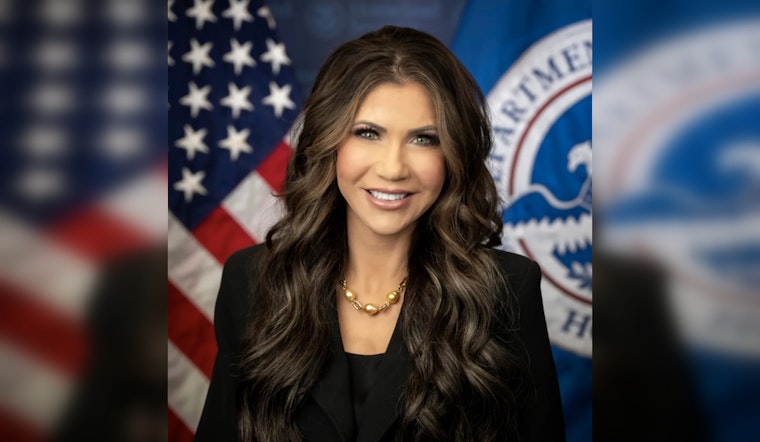
The Transportation Security Administration will start using the statutory word "alien" in its regulations when referring to people who are not U.S. citizens, after Homeland Security Secretary Kristi Noem signed a final rule on Feb. 13, 2026. The change swaps out phrases such as "non-U.S. citizen" or "noncitizen" for "alien" in TSA's regulatory text. Agency officials present the move as a way to line up their wording with federal statutes, while critics counter that the term carries political and cultural baggage that could shape how travelers and migrants are viewed.
As reported by Bloomberg, the final rule signed by Noem instructs TSA to use "alien" throughout its regulations. Bloomberg's coverage notes that the terminology change is part of a broader effort across Department of Homeland Security rulemaking to mirror statutory language.
DHS has already defended using the statutory term "alien" in other rulemakings. A Customs and Border Protection biometric entry-exit final rule published in the Federal Register in October 2025 explicitly states that it "uses the term 'alien' in this final rule consistent with the statutory and regulatory text." The rationale is laid out in the accompanying Federal Register notice.
What changes at airport checkpoints?
On paper, the shift is mostly legal and editorial. It updates the wording of TSA rules rather than creating a new screening procedure, and agency officials say operational screening and identification rules still flow from existing law. Passengers should not expect different pat-downs or brand-new ID checks solely because the language in the regulations changed.
TSA's public guidance on acceptable identification continues to emphasize REAL ID-compliant cards and passports. The agency's online FAQ from TSA explains which documents the agency accepts at checkpoints.
Why language matters
Language helps shape how policy is carried out and how it feels on the receiving end. Many immigrant-rights advocates and several local governments have pushed agencies to steer clear of the word "alien," calling it dehumanizing, while some administrations have preferred terms like "noncitizen" or "undocumented." As CBS News reported, the Biden administration previously instructed agencies to favor "noncitizen" in public communications, and industry reporting has noted the same substitution on forms such as the I-9.
Scholars writing in public-health and ethics literature have also warned that dehumanizing labels can influence access to services and public attitudes toward migrants. Coverage from HR Dive documents those debates and the way terminology fights keep resurfacing as policy changes.
Legal and policy implications
The word choice highlights a familiar tension between strict statutory text and evolving social norms. "Alien" is a defined term in the Immigration and Nationality Act, and agencies often mirror that language in rules to avoid legal inconsistencies. DHS's own rulemaking record shows that agencies sometimes revert to statutory terminology in final rules as a drafting move, which supporters say reduces legal risk and keeps them closer to what Congress actually wrote.
Opponents argue that even a seemingly technical drafting decision can have policy consequences. They warn that the choice of "alien" could fuel litigation or administrative complaints if it is applied in ways that critics say are discriminatory or have a disparate impact on certain groups.
What to watch
In the coming weeks, TSA is expected to update regulatory text, staff manuals and potentially internal guidance to explain how the term will be used in practice. Civil-rights groups and cities that have formally adopted "noncitizen" language are likely to keep pressing for softer terminology, while advocates of stricter immigration enforcement are poised to point to the change as proof of fidelity to the statute.
For now, the swap is a drafting choice that signals the administration's preference for tracking the law on the books, even when the vocabulary at issue is politically charged.




