

























































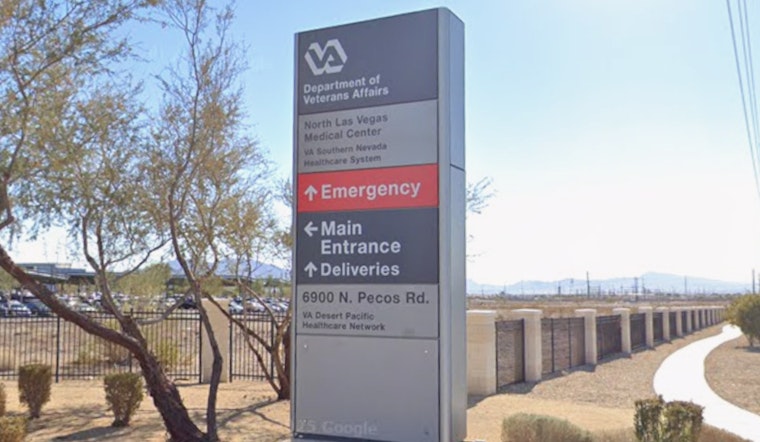
Veterans who rely on the VA Southern Nevada Healthcare System say care at its North Las Vegas VA Medical Center has become harder to access, with specialty appointments delayed, shifted online, or referred out of state after months of staffing changes. A recent federal inspection cited staff vacancies, aging equipment, and a shrinking pool of community specialists, all of which inspectors said “negatively affected” access to care, while patients and clinicians reported longer waits for services like urology and oncology and growing frustration with scheduling.
OIG inspection found service gaps
The Department of Veterans Affairs Office of Inspector General described what its team saw during an on-site review from April 29 to May 1, 2025. Inspectors documented staff shortages, infrastructure problems and limited buy-in from community specialty providers across the system.
According to the report, primary care teams were short seven providers, four registered nurses and five licensed practical nurses. To plug the holes, leadership sent more than 2,100 patients in fiscal year 2025 to a VISN Clinical Resource Hub. That stopgap has not erased delays. The OIG found new-patient wait times climbed to about 42.7 days in the first three quarters of fiscal 2025, a rise the report ties to a combination of higher veteran enrollment and ongoing staffing shortfalls.
Local leaders and veterans say demand is rising
Chief of Staff Dr. Ramu Komanduri told inspectors the facility treated more than 243,000 veterans in 2024 and saw enrollments increase the following year, adding more pressure to already tight clinic schedules, according to Nevada Current. Both the OIG report and local coverage note that Southern Nevada leaders pushed to raise payment rates for community care in an effort to lure outside specialists.
Even with better reimbursement on the table, many private providers reportedly declined to sign on, turned off by VA paperwork and administrative requirements. When community care was not available, leaders leaned more heavily on telehealth visits or referrals to other VA facilities, including sites outside Nevada, to keep veterans connected to needed services.
Staffing, morale and facility problems
Local reporting has described a one-two punch of low morale and leadership tensions that staff members say has helped drive turnover. Managers are leaning on temporary hires and internal reassignments while they work to recruit permanent staff, according to KTNV. The station noted the system is approved for about 3,160 positions and that hundreds of hires are in the pipeline, although dozens of key jobs are still vacant.
Employees told reporters that uncertainty over potential reductions in force and shifting roles has made it harder to bring in and keep staff. That kind of workplace churn does not just show up in HR spreadsheets. It filters down to exam rooms and waiting areas where veterans feel the squeeze when clinics are short on people and equipment.
What the VA is doing now
The OIG ultimately issued one formal recommendation: that leaders make sure reusable medical equipment is consistently labeled as clean and ready for use. Facility executives told inspectors they have already started standard labeling procedures and compliance audits, according to the report.
The document also notes that Dr. Komanduri requested and received approval to increase payment rates for community care to help recruit outside specialists. Even with that approval, many providers still declined to participate, citing the administrative burden that comes with VA work. OIG reviewers reported that VISN and local leaders are tracking their corrective action plans and that the inspector general will follow up until those steps are complete. For the full findings, see the VA Office of Inspector General.
Budget and the bigger picture
While Southern Nevada officials scramble to stabilize local services, Congress has continued to steer more money toward purchased community care. The fiscal year 2026 appropriations package funds community care at roughly $33 billion, nearly a 50% jump from fiscal 2025, a move supporters say gives veterans more options but critics argue can hollow out VA capacity, according to News From The States.
Local leaders told inspectors they are keeping congressional offices and veterans service organizations in the loop about ongoing access problems, and the OIG urged them to keep tracking improvements as hiring and repairs move ahead. For veterans in Southern Nevada, the math is simple and maddening. Bigger budgets and more choice on paper do not automatically translate into faster care if there are not enough providers willing or able to take the work.





