

























































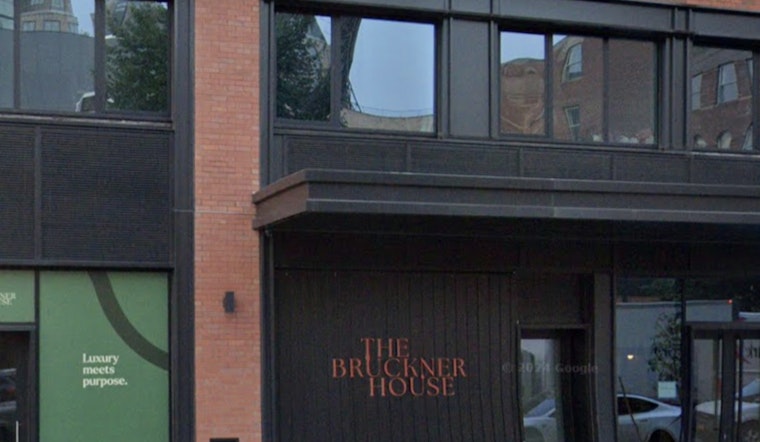
In the lobbies, gyms and rooftop pools of New York’s newest mixed-income towers, tenants who landed affordable apartments say they are being quietly priced out. Residents who got units through the city’s housing lottery or with a voucher describe monthly amenity fees so steep they cannot use the very common spaces their buildings advertise. For some, the barrier is a $250 monthly fob or a strict 15-minute lobby limit; for others it is a $1,000 tab for a rooftop club. Tenants say the result feels like a new "poor door" that is less a separate entrance and more a paywall.
As reported by City Limits, residents at the Bruckner House in the South Bronx say building management enforces a 15-minute cap on lobby time while charging roughly $250 a month for a basement lounge and gym. At Hudson Yards’ The Set, affordable lottery winners told the outlet that access to the rooftop club and pool carries a roughly $1,000 monthly price tag they simply cannot pay.
Pay to Play Without a Door
Developers often peel amenities away from the base rent so advertised prices look lower, then charge extra for pools, gyms and coworking spaces. That structure can turn into a second gate for anyone relying on a voucher. Industry reporting shows amenity fees can range from modest additions to several hundred dollars each month. According to Brick Underground, these charges sometimes show up as optional monthly add-ons or as annual lump-sum fees, depending on the building.
Agency Guidance, But Few Hard Rules
The city’s housing agency says it has tried to get ahead of the problem, but tenants argue that guidance is not the same as guardrails. HPD says it issues recommendations that encourage transparency and proportional pricing for amenity fees and suggests breaking big packages into smaller, optional services. “Our guidelines help ensure fees are transparent, optional, and proportional,” an HPD spokesperson told City Limits. Advocates counter that these suggestions should become enforceable rules so affordable residents are not effectively blocked from shared spaces that often come bundled with tax incentives or zoning bonuses.
Law Banned Literal ‘Poor Doors’ Not the Paywall
New York outlawed literal “poor doors” in 2015, after a public backlash against luxury buildings that gave subsidized tenants a separate entrance and address. Lawmakers closed a tax-break loophole that had allowed that setup. As Bloomberg reported at the time, the change required affordable units to share main entrances and common areas with market-rate neighbors. Tenant advocates say today’s fee structures recreate the same social divide without the telltale second doorway.
Why This Matters Now
The fight over amenity access is landing just as the city tries to expand affordable housing and make vouchers work in the real world. The City Council’s 2023 CityFHEPS package, including Local Law 99, bars landlords from deducting a utility allowance from voucher amounts and is still being rolled out. That shift adds pressure to ensure vouchers actually cover day-to-day costs, according to the New York City Council. At the same time, Mayor Zohran Mamdani has pledged an ambitious push to add hundreds of thousands of affordable units, a scale of construction that would make amenity-access rules in mixed-income projects especially consequential, as reported by CNN Business.
Tenants and advocates say the fixes are not mysterious: fold amenities into the base rent, require discounted access for subsidized units, or make amenity packages truly optional so voucher payments can go toward actual living costs rather than luxury price tags. The City Limits investigation, republished on W42ST, traces how policies differ across developments and why tenant groups are pressing for clearer rules as the city gears up to build more mixed-income housing. If affordable units are supposed to be meaningful, critics say, policymakers have to close the paywall as well as the door.





