

























































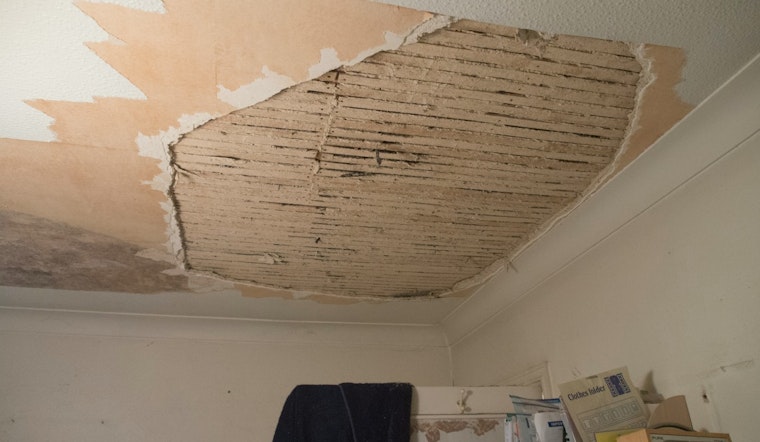
Months of unreliable heat, wastewater dripping from ceilings and busted stairways have turned life in one Ocean Hill apartment building into a daily obstacle course, tenants say. Residents describe wastewater seeping through a hole in a bathroom ceiling, water pouring through hallway light fixtures and broken stairs that make simply getting around feel risky. One 65-year-old tenant says caring for a sister with special needs has become far harder without dependable heat, and several residents warn the conditions could become life-threatening if real repairs do not happen. Some say they have been forced to use the stove for warmth after years of inadequate heating.
According to News 12 New York, tenants shared video that appears to show wastewater coming through a bathroom ceiling, and residents said one tenant's ceiling started leaking in December and still has not been repaired. The outlet reports that city records show 171 housing complaints and 68 violations at the building, and that the property manager, Guardeum, did not immediately respond to requests for comment. News 12 also relayed a statement from HPD saying inspectors "have responded to several complaints" and planned to return to the apartment to reinspect.
Brownsville and Ocean Hill show up again and again in city housing data as neighborhoods with a heavy load of hazardous housing complaints, where basic maintenance is often delayed and heat and leak problems have a habit of coming back. A recent neighborhood breakdown from Violation Watch lists Brownsville/Ocean Hill among local hotspots for Class B and Class C violations, including no heat and active leaks.
How the city can force repairs
When buildings rack up hazardous violations, HPD can move them into its Alternative Enforcement Program (AEP). That program allows the agency to conduct frequent inspections, require major system replacements and order emergency repairs that are then billed to the owner. According to HPD, owners selected for AEP must correct heat and hot-water failures or face civil penalties and emergency repair charges. Tenant advocates say AEP is one of the few tools that puts real financial and enforcement pressure on owners who repeatedly ignore needed repairs.
What tenants should do now
Tenants are urged to document every problem with dated photos or video, keep copies of maintenance requests and file complaints through NYC 311 so HPD can schedule an inspection. Free legal help and tenant resources are available through groups such as Legal Services NYC and the city's tenant helpline, which can walk renters through options including Housing Court filings and rent abatement. Organizing with neighbors and saving every 311 service number can strengthen a tenant association's case in court or with city enforcement.
Heat is treated as an immediate hazard
Under the Housing Maintenance Code, HPD treats heat and hot-water failures as immediately hazardous violations that must be corrected quickly. If owners do not act, the city can step in to perform emergency repairs and bill the cost back to the owner. HPD lays out violation classes, inspection procedures and next steps for tenants. If you believe your unit is unsafe, call 311 and request an HPD inspection, and keep your 311 confirmation number and any photos or videos for possible enforcement or legal actions.





