

























































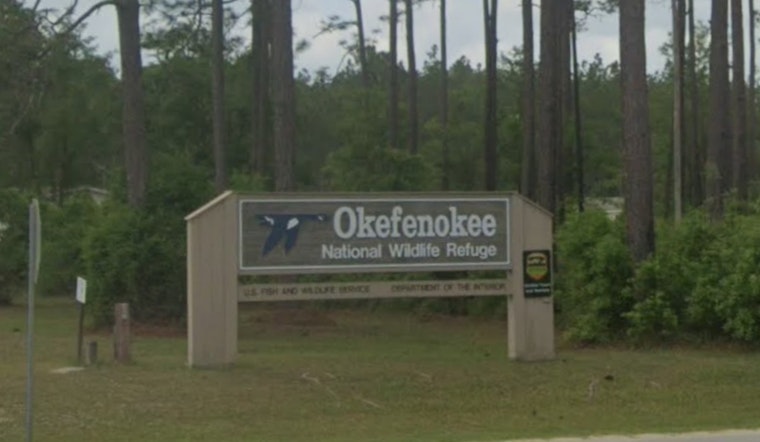
Georgia’s Okefenokee National Wildlife Refuge is edging toward the global spotlight, with its long-running bid for UNESCO World Heritage status clearing a major scientific hurdle and heading for a final vote this July in Busan, South Korea. Advocates marked Okefenokee Day at the Georgia Capitol by leaning on lawmakers and talking up what that coveted label could mean for the small rural counties that surround the swamp.
Scientists delivered a favorable preliminary review
Kim Bednarek, who is leading the nomination effort, told The Atlanta Journal‑Constitution that a team of international scientists who toured the refuge last fall came back with a "favorable" preliminary report. That early thumbs-up is a key step in the technical review. With that feedback in hand, Bednarek said the Okefenokee is on track to land on the World Heritage Committee’s agenda at its July session in Busan. The UNESCO World Heritage Centre lists Busan as the host city for the committee’s 48th session in July 2026.
Federal nomination has deep roots
The refuge has been sitting on the U.S. tentative list for potential World Heritage sites for decades, and it finally advanced to a formal nomination in late 2024, according to the U.S. Department of the Interior. The U.S. Fish and Wildlife Service points to the Okefenokee’s intact peat beds, rich biodiversity and status as one of the world’s largest naturally driven freshwater ecosystems as the scientific backbone of the case being made to UNESCO.
Bipartisan backers and hometown champions
Backers say support for the bid has cut across party and cultural lines. Former University of Georgia football standout Champ Bailey has joined the nomination’s advisory circle, and Georgia’s U.S. senators have pressed for federal support. State legislators have also urged the U.S. delegation to send a representative to the Busan meeting, according to reporting in The Atlanta Journal‑Constitution.
Mining fight gave the campaign fresh momentum
Conservation groups say a major land deal in June 2025 helped flip the narrative around the swamp’s future. A proposed titanium mine had been planned near the edge of Trail Ridge, a key geological feature that helps protect the Okefenokee. Organizations such as The Nature Conservancy and the Georgia Conservancy said The Conservation Fund’s purchase of thousands of acres near the refuge removed the immediate mining threat along that stretch of Trail Ridge and strengthened the conservation case being made around the nomination.
What comes next before a final vote
The nomination is still moving through the IUCN technical review, which includes field visits, desk reviews and analysis by expert panels. Those findings will feed directly into the debate at the World Heritage Committee meeting. If the committee votes in favor of inscription in July, the Okefenokee would become one of a small number of U.S. World Heritage properties and could be the first National Wildlife Refuge on the list, according to the U.S. Fish & Wildlife Service.
Funding and local impacts
Organizers say pulling together a full UNESCO nomination dossier and doing the outreach to match is not cheap, typically running into the hundreds of thousands of dollars. Fundraising figures for the Okefenokee campaign list roughly $570,000 raised to date. The Department of the Interior notes that World Heritage status does not shift control of federal lands or alter U.S. sovereignty. Even so, supporters argue that the label could attract more researchers and visitors, potentially delivering a modest economic boost to southeast Georgia. The group Okefenokee World Heritage provides additional detail on costs and contributions.
Legal note
The Interior Department stresses that inscription on the World Heritage list does not, by itself, create new U.S. laws or move management authority away from existing federal or state agencies, and that permitting decisions remain governed by current federal statutes and state rules. Conservation advocates, however, say the international attention and prestige that come with the World Heritage label can make politically risky industrial projects tougher to advance, giving local communities more leverage to argue for long-term protection, as reported by conservation partners.





