

























































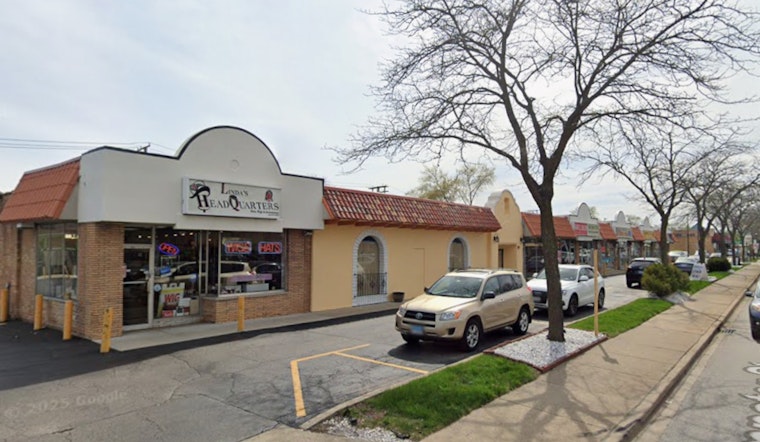
For generations, many Chicago-area suburbs were shorthand for white flight. That mental map is now badly out of date. From Skokie in the north to Joliet and Flossmoor in the south, dozens of suburbs that were once overwhelmingly white have quietly crossed a key demographic line, becoming majority nonwhite communities.
The shift is not a one-off blip. A fresh look at nearly 300 suburbs finds that more than thirty of them moved from majority white to majority nonwhite between 2005 and 2024, according to reporting by WBEZ. The analysis maps out where those flips happened across the region and how quickly they unfolded over the past two decades.
Where the Numbers Come From
The demographic trends are based on the U.S. Census Bureau’s American Community Survey five-year estimates, the go-to dataset for demographers and local reporters who need reliable numbers for smaller places. The five-year ACS is specifically designed to smooth out the statistical noise that would come from trying to measure population changes in small towns and villages year by year, according to the U.S. Census Bureau.
Notable Local Flips
Some of the local stories inside those numbers are striking. South suburban Flossmoor is now a majority Black village and is identified in the reporting as one of the area’s higher income majority Black suburbs, while other communities reflect very different mixes of change. The WBEZ analysis points to north suburban Skokie, south suburban Lansing and larger exurban municipalities such as Joliet and Burbank as places where Asian, Black and Latino populations have grown sharply as the suburban landscape across greater Chicago has diversified.
What Is Driving the Change
Researchers and local officials point to several overlapping forces behind the shift. Immigration continues to reshape neighborhoods. Rising housing costs in the city are nudging some residents to look outward. Job growth has followed, or in some cases led, that movement, as employment centers decentralize away from the traditional downtown core.
Nationally, analysts have documented a renewed dispersal of population into suburbs and exurbs in recent years, as detailed by Brookings. Closer to home, a surge in warehousing and logistics along major Interstate corridors has pulled workers and their families toward the southwest suburbs, with the Joliet area emerging as a prime example, according to coverage from The Herald-News.
Local Services and Politics
Advocates say that in some suburbs, service systems have struggled to keep pace with how fast the population is changing. Translation and interpretation services, outreach to newcomers and legal-assistance capacity can lag in communities experiencing the quickest growth.
Municipal responses have varied. Some villages have moved quickly to expand community programming or adopt ordinances meant to protect immigrants. Others are still working through budgets, staffing and priorities as they adjust to residents who may have very different needs from those of a decade or two ago.
For residents, the bottom line is straightforward. The familiar suburban map that many Chicagoans grew up with is being redrawn in real time, and that demographic evolution is already reshaping schools, businesses and village hall agendas. In the years ahead, local political debates and service priorities are likely to follow where the new demographics are leading.





