

























































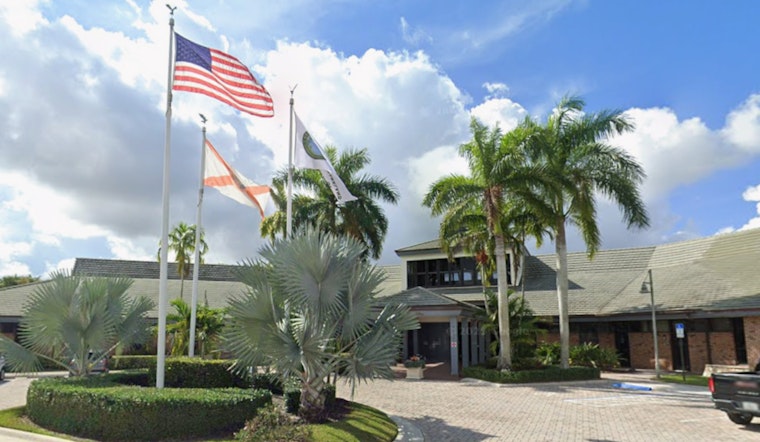
Parkland’s City Commission has written the International Holocaust Remembrance Alliance (IHRA) working definition of antisemitism directly into the city’s municipal code, backing the move with a unanimous vote on Wednesday. The change spells out how local officials will assess whether harassment, vandalism or other acts are driven by antisemitic intent, while commissioners repeatedly stressed that protected speech is not on the chopping block. City leaders said the ordinance gives staff a more consistent playbook for handling bias complaints and for shaping employee training.
Ordinance details
Ordinance 2026-002 amends the city code to adopt the IHRA definition and fold in Florida’s hate-crimes language, and it sets out implementation steps, codification instructions and an effective date, according to the City of Parkland agenda and reporting by the Combat Antisemitism Movement. City staff recommended the change, and commissioners signed off on it in a roll-call vote with no dissent.
“I have never in my 41 years on this earth ever felt personally unsafe until after Oct. 7, 2023,” Commissioner Jordan Isrow said during the discussion, as reported by Parkland Talk. Isrow, who sponsored the measure, told colleagues that locking in the IHRA language would bring much needed clarity for city staff while still protecting vigorous public debate.
How the city will use the definition
Under the ordinance, city departments and officials are instructed to look to both the IHRA working definition and the state’s hate-crimes definition when deciding whether a reported incident was motivated by antisemitic intent, as laid out in the City of Parkland meeting materials. The same definitions are to be used as educational tools in anti-bias training for employees. The measure includes contemporary IHRA examples that are meant to help investigators separate protected criticism, including of Israel, from conduct that targets Jews as a group or as individuals.
State law and free-speech guardrails
Parkland’s move brings the city in line with state policy. The Florida Legislature created section 1.015 of the Florida Statutes to adopt the IHRA working definition for state use through House Bill 187, and the Florida Senate lists that provision as taking effect July 1, 2024. The local ordinance spells out that it does not cut back on rights guaranteed by the First Amendment or the Florida Constitution, language that city officials underscored during public comments and in local coverage. Legal observers have noted that the IHRA framework is nonbinding and is meant primarily as an identification and training tool rather than a new criminal law.
Why officials moved now
City leaders framed the vote as part of a broader response to rising anti-Jewish incidents after the Oct. 7, 2023 attacks. The Anti-Defamation League recorded 9,354 antisemitic incidents across the United States in 2024, the highest total in the organization’s tracking history. Supporters argue that bringing the IHRA definition into local law gives cities a consistent standard to work from. Research compiled by advocacy organizations and cited in local reporting shows that dozens of states and many city and county governments have already endorsed or put the IHRA framework in place, and Parkland’s ordinance places the city within that wider trend.
What comes next
With the ordinance now adopted, city staff said they will fold the IHRA examples into relevant policies and training materials and rely on the definitions when reviewing complaints and conducting bias investigations. Residents who want to examine the full text of the ordinance or the supporting documents can find the commission materials in the City of Parkland’s agendas and minutes portal.





