

























































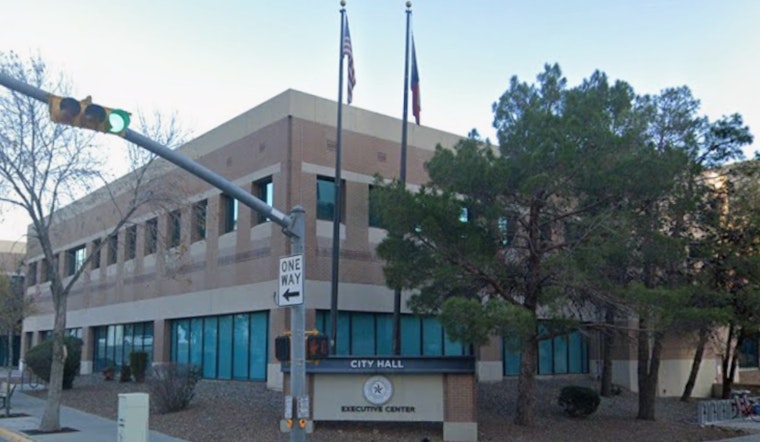
El Paso’s city hall is claiming a big win for local wallets after state regulators nixed a proposed El Paso Electric charge that officials say would have nudged monthly bills upward. According to the city, the Public Utility Commission of Texas shut down a filing that would have added roughly $10.4 million in extra costs between January and June 2026, working out to about $3.13 per month in avoided charges for the average household during that window. City leaders are framing the outcome as a consumer victory and a safeguard against what they call the potential "double recovery" of certain costs.
El Paso Electric had asked the commission to sign off on an update to its Distribution Cost Recovery Factor, or DCRF, that city officials say was designed to pull in about $20.8 million a year. By denying that request, the PUC effectively stops an estimated $10.4 million from being collected in the first half of 2026, which the city calculates as roughly $3.13 per month that the typical residential customer will not see tacked onto their bill during that period. In a statement to KVIA on Monday, City Attorney Karla Nieman said the city’s job is to help ensure that "rates are fair, transparent, and supported by the record."
How the DCRF affects bills
The Distribution Cost Recovery Factor is what regulators call a capital tracker, allowing utilities to collect money for distribution system investments on an interim basis instead of waiting for a full base-rate case, according to the Public Utility Commission of Texas. The commission describes the DCRF as covering "the cost of the smaller poles and wires that you see in your neighborhood" and notes that it is supposed to be reconciled so that only prudently incurred expenses are ultimately recovered. While it can speed up cost recovery for utilities, layering it on top of other riders or surcharges can raise questions about overlapping charges and the timing of when costs hit customers’ bills.
Why utilities file interim updates
In filings with federal regulators, El Paso Electric describes trackers such as the DCRF as tools to recover distribution spending tied to growth and system improvements, with the prudency of those costs reviewed later in base-rate proceedings, according to the U.S. Securities and Exchange Commission. The company’s public documents explain that utilities can seek these interim adjustments to bring in distribution revenue while lengthier rate cases determine whether the underlying expenses are recoverable. That setup helps utilities get paid back faster for infrastructure work, but it also invites scrutiny from cities and the commission over when, and how, those costs are passed along.
City's role and what comes next
City officials say the PUC’s decision reflects continuing oversight of utility requests and a willingness to step in when they believe ratepayers are at risk of paying more than they should. El Paso has a history of intervening in El Paso Electric rate cases; previous actions and negotiations have saved local customers roughly $189 million, according to KVIA. Staff and council members say they plan to keep reviewing El Paso Electric filings and representing the city’s position before the commission and in any settlement talks.
For now, customers will not see a new line item tied to the denied DCRF adjustment, although long-term rate pressure is still on the horizon as utilities continue to seek recovery for system upgrades. The combination of the PUC’s ruling and the city’s intervention shows how regulatory reviews can reshape both the size and the timing of costs that eventually land on household bills. City officials say they intend to stay active in upcoming cases in an effort to blunt future rate impacts on El Paso residents.



