

























































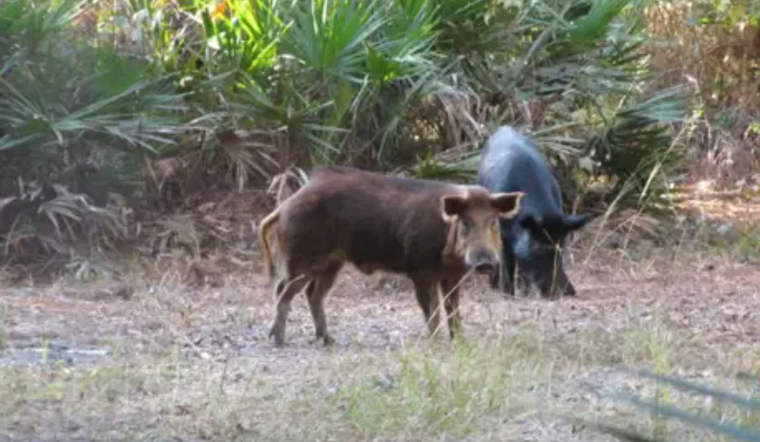
On a quiet stretch of Seminole County, 88-year-old homeowner Mary Pressley says a growing gang of wild hogs has turned her four-acre slice of Sanford into something that looks more like a construction site than the yard she has loved since 1967.
Pressley told a TV crew that the hogs have shredded her landscaping, chewed through flower beds and vegetable plots, and dug deep holes all over her property, leaving her scared she will take a bad fall. Neighbors have tried trapping the animals, and she keeps barbed-wire fencing around the place, but she says the hogs just keep coming back, worse than before.
Florida wildlife officials say feral hogs are exactly this kind of headache. They reproduce quickly and are not a protected species, which makes them notoriously tough to control. According to the Florida Fish and Wildlife Conservation Commission, a single sow can have as many as 26 piglets in a year. Adults can stretch to roughly six feet in length and weigh more than 150 to 200 pounds, and those sharp tusks can be dangerous if an animal feels cornered. The agency does not offer removal services but notes that wild hogs "may be trapped and hunted year-round with landowner permission." Officials generally recommend sturdy fencing and professional trapping when the animals refuse to move on.
Neighbors Say Hunters Were Denied Access
FOX 35 Orlando reported that Pressley is 88 years old, has lived on the land since 1967, and owns about four acres. The station interviewed Pressley and her neighbor, professional hunter Daniel Levesque, who says he and his friends have already been setting traps and using a compound bow to thin the herd.
Levesque told the station he asked the City of Sanford last September for permission to hunt in nearby city-owned woods, so he could intercept the hogs before they reach people’s backyards. He says the city turned him down, which he believes ties his hands when it comes to stopping the animals before they hit private property. According to Levesque, his offer to help the city is still on the table if officials decide to grant access.
Recurring Problem Across Sanford
Longtime residents say this is not a one-off hog invasion. Similar damage has been reported in other parts of Sanford in recent years, with plowed-up lawns, park closures, and hired trappers all making the news. Local coverage by ClickOrlando and WESH has documented the same pattern across nearby neighborhoods.
Wildlife experts point to a familiar mix of ingredients: rapid development that squeezes animals into smaller spaces, seasonal food sources like acorns that lure hogs toward homes, and fewer natural predators. Put together, they say, those factors push sounders of hogs into residential yards and drive up conflicts with people. That is part of why neighbors in Pressley’s area are pushing officials for quicker action, especially to protect elderly or less mobile homeowners who cannot easily navigate a yard full of ankle-deep holes.
Legal Options And Advice
For property owners, state rules leave some room to act, but with firm limits. With landowner permission, wild hogs can be trapped or hunted on private property at any time of year. The Florida Fish and Wildlife Conservation Commission makes it clear that poisoning hogs or releasing captured animals onto public land is illegal.
Residents who are dealing with persistent hog problems can hire licensed nuisance trappers or reach out to county animal services. Seminole County Animal Services provides guidance and contact information for complaints. Officials urge people not to resort to risky or unlawful tactics and instead suggest removing food attractants, securing trash, and, where possible, installing hog-proof fencing.
They also recommend documenting damage with photos or trail cameras and reporting it to county officials, which can help build a case for coordinated removal efforts on nearby public land.
City Response
The City of Sanford told reporters it is looking into what is happening on Pressley’s street, and municipal crews were seen returning to the area during the interview, according to FOX 35 Orlando. For now, neighbors say they will keep tracking sightings and fresh damage while pressing the city to allow legal, humane removal on public property.
Levesque maintains that he is ready to work with city officials if they open up the surrounding woods to managed hunting. Pressley, after nearly six decades on the land, says she simply wants the home she has poured her energy into to stay safe and intact. The standoff over one Sanford yard points to a broader Central Florida question: who is responsible for managing wildlife that roams the thin line between city-owned land and private backyards.





