

























































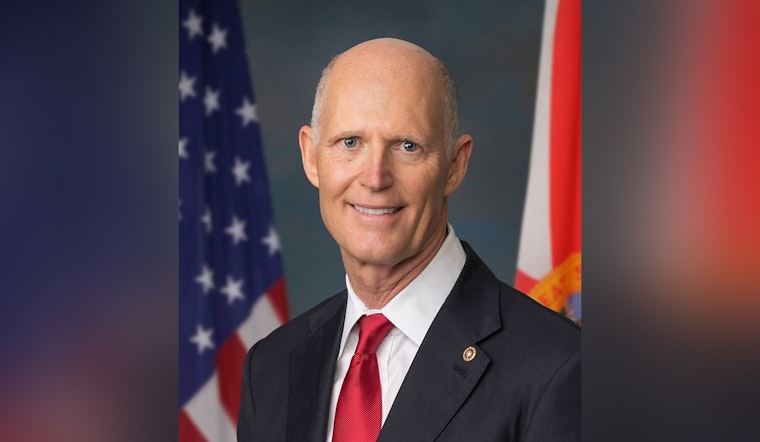
U.S. Sen. Rick Scott turned a routine stop at the Miami-Dade Supervisor of Elections office on Tuesday into a showcase for the Save America Act, pitching the federal voting bill just a few feet from the people who would have to enforce it. Standing beside county elections chief Alina Garcia, Scott held a brief press conference and cast the measure as a common-sense tightening of election rules, even as critics warn it could massively shrink the voter rolls.
Scott appeared at the Miami-Dade Supervisors of Elections Office with Supervisor Alina Garcia, according to NBC6 South Florida. The outlet streamed his remarks and posted a short writeup of the visit.
What the Save America Act Would Do
The bill would require states to obtain what it calls "documentary proof of United States citizenship" such as a U.S. passport or a certified birth certificate, and in many situations to have people present that proof in person when they register to vote in federal elections, according to the text on Congress.gov. It would also create a nationwide photo ID requirement for casting a ballot, press states to share voter data with federal agencies and add new criminal penalties for officials who register applicants who do not provide the required documents. The House approved the measure 218-213 and sent it to the Senate, according to AP News.
Critics Say the Law Could Block Millions
Voting-rights advocates and policy researchers argue that those rules would function less like a security check and more like a locked door. The Brennan Center estimates that more than 21 million voting-age citizens lack passports or paper birth records and warns that the bill's supposed failsafe options are vague and do not solve the access problem, according to the Brennan Center for Justice. Other analysts point out that passport ownership and easy access to underlying documents closely track income and race, meaning the burden would likely land hardest on low-income, Black and Latino voters, as detailed by Forbes.
Local Stakes and What Comes Next
Miami-Dade is not just any backdrop for this fight. More than half of county residents are foreign-born, a demographic reality that election offices say makes any new documentation rules both practically and politically tricky, according to data from the U.S. Census Bureau QuickFacts. The bill now heads to the Senate, where its prospects are uncertain because of chamber rules and pushback from some lawmakers, even as national Republican leaders continue to press for its passage, per reporting by AP News.
Legal Implications
The legislation would explicitly add criminal liability under the National Voter Registration Act for officials who register applicants who do not present documentary proof of citizenship, language spelled out in the bill text on Congress.gov. Voting-rights attorneys caution that the threat of prosecution, combined with new requirements to share voter information with federal agencies, could discourage local officials from registering eligible voters and trigger immediate court challenges, concerns highlighted in analysis by the Brennan Center for Justice.





.jpg)