

























































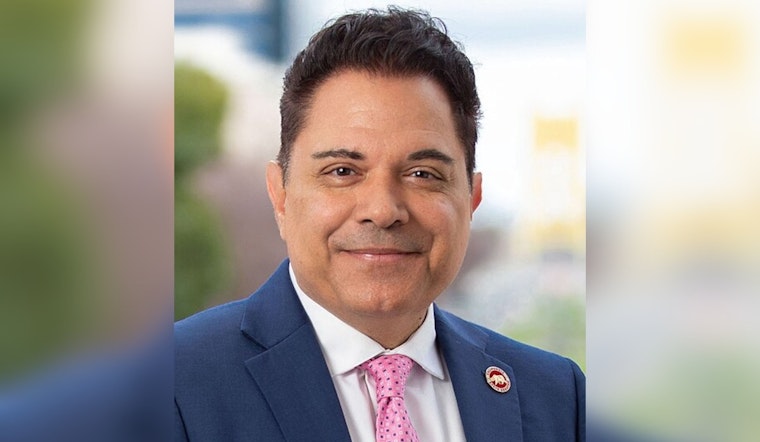
California kids who grew up as content for their parents' channels could soon get a legal reset button on their childhood fame. State Sen. Steve Padilla has introduced a "Right to Delete" bill that would give adults the power to demand edits or takedowns of monetized family videos they appeared in as minors, with a formal process and deadline for creators to comply.
The proposal zeroes in on paid creators who routinely feature their children and treat home life as a revenue stream. Supporters say the goal is simple, even if the legal mechanics are not: let the now-grown kids decide what stays online and what comes down, rather than locking their most personal childhood moments into a permanent reel for public consumption.
According to a press release from Senator Padilla's office, Senate Bill 1247 would require compensated content creators who feature their own minor children to delete or redact videos and posts if those children request it after turning 18. Padilla cast the bill as the privacy counterpart to new financial safeguards for young influencers and said the measure will be heard in the Senate in the coming months. In the release, he argued that children have a right to not have the most intimate moments of their lives shared with the world.
What the bill would do
Under draft language described in local reporting, SB 1247 targets creators who earn money from content that includes minors and creates a legal path for those now-adult subjects to demand removals or edits once they hit 18. Imperial Valley Press reports that if families and creators cannot work it out on their own, courts would be responsible for enforcing the takedown or redaction orders. The exact thresholds, timelines and procedures are expected to be refined as the bill moves through committee.
Builds on recent child-creator rules
SB 1247 is not Padilla's first swing at regulating the kid influencer economy. His new proposal builds on California's Child Content Creator rules, which require certain creators who frequently feature minors to stash a portion of earnings in trust for the children. Legal analysis of those rules notes that they extend Coogan-style protections that once applied mainly to child actors into the world of YouTubers and TikTok families.
Nixon Peabody explains that the earlier statute added trust and reporting obligations as California tried to keep up with a booming creator economy. That market has drawn serious financial attention, with Goldman Sachs estimating it could grow from roughly $250 billion today to nearly $480 billion in the coming years.
High-profile cases pushed the idea
Lawmakers have not had to look far for cautionary tales. High-profile scandals involving family vloggers have become a recurring feature in national headlines and have fueled calls for tighter protections around kids who appear online.
The case that looms largest in recent memory is Ruby Franke, the Utah family vlogger whose channel was shut down after abuse allegations surfaced. AP detailed Franke's sentencing, which followed widespread outrage over her treatment of her children. Reporting from Deseret News notes that Utah and other states have already begun to give minors the right to request takedowns of content featuring them once they become adults.
Supporters stress safety and control
SB 1247 has quickly drawn support from children's-safety advocates and former child performers who argue that control over an online past is not just about embarrassment. For some, they say, it can be a matter of safety and mental health.
In a statement included in the announcement from Senator Padilla's office, former child actor Alyson Stoner recounted harassment and exploitation they experienced while working as a minor and urged lawmakers to give young people stronger tools to reclaim their images. The release also quoted Chris McCarty of Quit Clicking Kids, who argued that SB 1247 would give now-grown children a way to take back control of digital footprints they never chose, after years of having their lives turned into monetized content.
Legal and practical questions remain
Not everyone is sold on the details. Critics and some legal analysts caution that new deletion rights need to be tightly crafted so they do not collide with the First Amendment or sweep in legitimate journalism and public-interest speech.
Commentary on the United States approach to "right to be forgotten" ideas points out that courts have historically been wary of broad European-style deletion rules that could erase lawfully reported information. Legal analysts note that California has already taken narrower steps in recent years, including policies that expand account-level controls and user deletion tools. Related state privacy moves have unfolded alongside executive actions, with Governor Newsom's office promoting data privacy bills that strengthen rules for account deletion and data handling.
SB 1247 is slated to land in Senate committees in the coming months, where lawmakers, creators and child-welfare groups are expected to weigh in. Supporters say the bill closes a significant gap that money protections alone cannot fix, while some free-speech advocates are already signaling that the language will need to be sharpened if it is going to pass both political and judicial review.





