

























































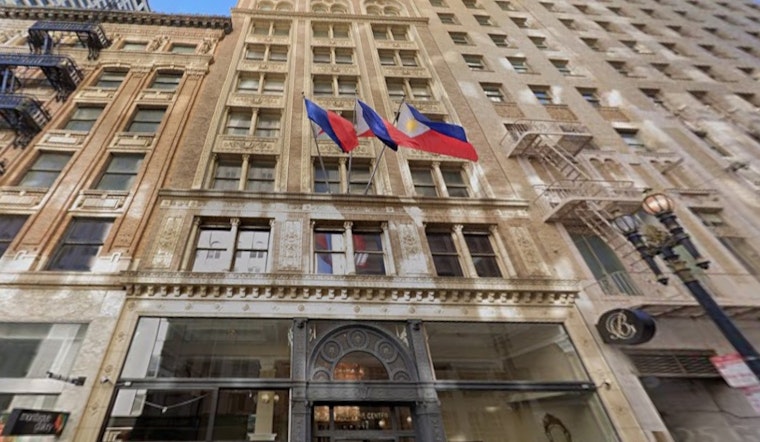
Archblock, the San Francisco company behind the TrueUSD stablecoin, has filed a voluntary Chapter 11 petition in Delaware, pulling the plug on business as usual as of last Friday. In its paperwork, the firm reports only $1 million to $10 million in assets against a hulking $100 million to $500 million in liabilities, a gulf that will decide how much creditors and TrueUSD token holders ultimately see. The bankruptcy filing also freezes active lawsuits for now and leaves customers and other counterparties waiting on a court-driven timetable.
What the court papers reveal
Archblock’s Chapter 11 petition landed in the U.S. Bankruptcy Court for the District of Delaware, according to Inforuptcy. The filings flag a cluster of tax and potential litigation hits: about $1.3 million allegedly owed to the IRS, roughly $179,000 to the state of Delaware, and a potential $8.5 million claim tied to Alameda Research, as reported by SFGATE.
SEC allegations and a pricey truce
The Securities and Exchange Commission has previously accused the firms behind TrueUSD of offering unregistered investment contracts and of misrepresenting how the stablecoin was backed, saying the companies "falsely marketed the investment opportunity as safe and trustworthy," according to an SEC press release. In September 2024, TrueCoin and TrustToken agreed to settle the SEC’s claims without admitting wrongdoing and consented to pay civil penalties, the agency said.
Celsius fight put on ice, for now
The Celsius estate has separately sued Archblock and related entities, alleging it could not redeem roughly $12.9 million in stablecoins and accusing the companies of steering customer deposits into risky offshore investments, according to reporting by Protos. By filing for Chapter 11, Archblock triggered an automatic stay that generally halts most lawsuits and collection efforts while the bankruptcy court sorts out who gets paid first, per guidance from the U.S. Courts.
Archblock versus TrustToken: a tale of two balance sheets
Not every affiliated entity is in the same kind of trouble. Archblock’s parent-level petition is where the steep shortfall shows up, while a separate TrustToken filing cited by SFGATE lists $100 million to $500 million in assets and $10 million to $50 million in liabilities for that subsidiary. That split healthier-sounding numbers at the operating unit and far more distressed figures at the parent could complicate how any reorganization plan or asset sale strategy is put together.
What it means in court
The SEC settlement and the stack of creditor claims mean any reorganization plan will have to address regulator-ordered penalties along with what creditors say they are owed, including potential disgorgement or injunctive terms tied to the SEC action. In the near term, the Delaware court is expected to set a claims schedule and hearing dates as the case moves through Chapter 11 procedures, and creditors and token holders will need to keep an eye on the docket for filing deadlines and formal notices, according to the SEC.





