

























































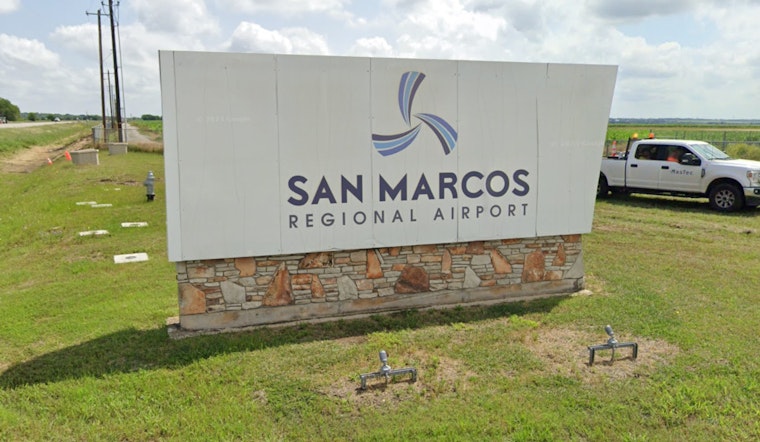
San Marcos just scored a rare land deal that could reshape both its airport and a nationally recognized law-enforcement training hub. Late last week, federal officials signed over more than 240 acres of former Department of Labor property, splitting the site between Texas State University and the City of San Marcos. One chunk will fuel the university's ALERRT program, the other gives the city room to grow the San Marcos Regional Airport. Local leaders are pitching the twin deals as a win for long-term planning and for taxpayers.
What Was Sold And Who Bought It
The former federal property sits just east of the San Marcos Regional Airport and is divided into two main tracts. The northern piece covers more than 195 acres and includes a cluster of buildings near William Pettis Road. The southern tract spans roughly 45 acres of undeveloped land. In a negotiated transaction, the General Services Administration says Texas State had already taken title to about 75 acres, and this month the City of San Marcos bought the remaining nearly 170 acres for $1.68 million. The agency described the move as part of a broader push to shed underused federal real estate and cut long-term operating costs, according to GSA.
ALERRT Will Expand Training Capacity
Texas State plans to use its portion of the land for the Advanced Law Enforcement Rapid Response Training (ALERRT) Center, which focuses on scenario-based active-shooter and integrated-response training for law enforcement officers and first responders. The ALERRT program is recognized by the FBI as the national standard and has already trained hundreds of thousands of responders. The university says it continues to receive land grants and infrastructure upgrades aimed at boosting capacity and reach. For more on ALERRT's work and footprint, see Texas State University.
City Plans Airport Growth
City Manager Stephanie Reyes framed the city's purchase as a way to “protect an essential transportation asset” and said the added acreage will support future economic opportunity and compatible land uses as San Marcos grows. Because the land sits directly adjacent to the San Marcos Regional Airport, city officials say it gives them room to plan longer-range aviation projects and recruit related investment over time. Reyes shared her comments in coverage by MySA.
Why It Matters
The negotiated sale price, about $1.68 million for nearly 170 acres, comes out to roughly $10,000 an acre, a reminder that public-purpose land transfers can look very different from private-market deals. The GSA said the San Marcos dispositions fit into a nationwide effort to right-size the federal real-estate portfolio and could free up millions in avoided operating costs across other properties. For planners and developers, contiguous acreage next to an active airport is a rare find and could shorten timelines for new hangars, training ranges, or airside improvements, although any such projects would still need environmental review and firm funding commitments, according to GSA.





