

























































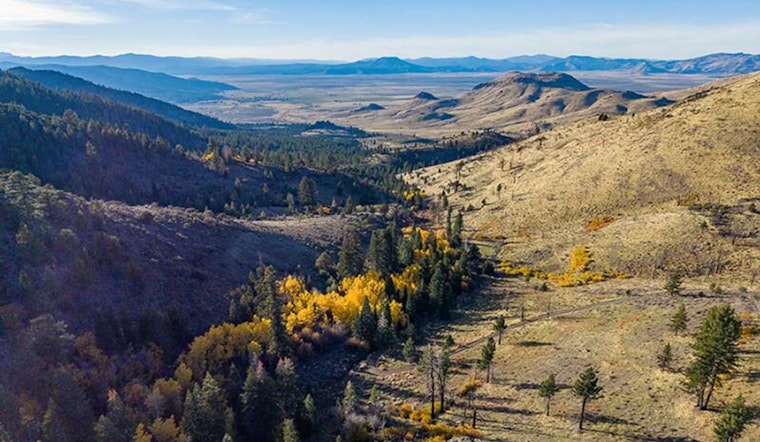
The Washoe Tribe of Nevada and California has reclaimed a major piece of its northern Sierra homelands, gaining ownership of more than 10,000 acres known as Loyalton Ranch. The property will be renamed the Wélmelti Preserve, and tribal leaders say it will be managed for cultural ceremonies, habitat restoration, and community programs. Officials are calling the purchase both a conservation milestone and a step toward restoring traditional stewardship on ancestral land.
State Money And Local Allies Closed The Gap
Most of the deal was covered by a $5.5 million grant approved by the Wildlife Conservation Board as part of an $87.1 million funding package for habitat projects, salmon recovery, and tribal-land returns, according to the California Department of Fish and Wildlife. The Wášiw-šiw Land Trust, the nonprofit the Tribe created to acquire and steward ancestral lands, is working to raise the remaining funds for the roughly $8.6 million package through private donations and partnerships with groups including the Northern Sierra Partnership and the Feather River Land Trust, the Wášiw-šiw Land Trust notes.
Where The Wélmelti Preserve Sits
The 10,274-acre parcel stretches from Long Valley on the east to Sierra Valley on the west, near the town of Loyalton, about 50 miles north of Lake Tahoe and roughly 20 miles north of Reno. The landscape ranges from sagebrush lowlands to aspen groves, pinyon and juniper stands and seasonal creeks that provide winter and summer habitat for pronghorn, mule deer, mountain lions and gray wolves, according to public and tribal announcements. SFGATE has also highlighted the area’s ecological and cultural importance.
How The Sale Came Together
The city of Santa Clara has held the ranch since the late 1970s, after purchasing it for potential utility and energy uses for about $1.6 million, according to contemporary reporting. In recent years, the city declared the sprawling parcel surplus and moved ahead with a sale. Local coverage reports that the tribe’s acquisition price and financing structure put the deal at roughly $6 million. The Real Deal has reviewed the property’s earlier history, while the Plumas Sun has detailed the recent terms and partners involved.
Tribal Plans And Stewardship Goals
Tribal Chair Serrell Smokey and land-trust organizers say the Wélmelti Preserve is expected to host ceremonies, support restoration of pinyon groves, and include a native-plant nursery, caretaker housing, firefighting support buildings, and youth language-and-culture programs. Those priorities have been outlined in public statements about the acquisition. The Mercury News has reported details of those program plans, and land trust materials emphasize reviving traditional stewardship practices on the site.
Funding Rules And Conservation Safeguards
The Wildlife Conservation Board grant draws on state habitat funding streams created under voter initiatives such as Proposition 117, which directs annual transfers into a Habitat Conservation Fund used for land acquisitions and restoration work. Legislative and agency materials describe the fund’s role in projects like this one. The project’s environmental filing states that the acquisition is for wildlife conservation and the preservation of open-space values, which limits heavy development on the property. Sen. Blakespear’s office has summarized Proposition 117’s history, and the official CEQA notice for the Wildlife Conservation Board project on CEQAnet sets out the conservation intent.
What Comes Next
For now, title-transfer formalities, survey work and detailed stewardship planning are at the top of the to-do list as the land trust and its partners complete the acquisition and secure funding for long-term care. Tribal and conservation partners say the Wélmelti Preserve will be managed to support both cultural practice and habitat resilience in the northern Sierra, according to the Plumas Sun.





