

























































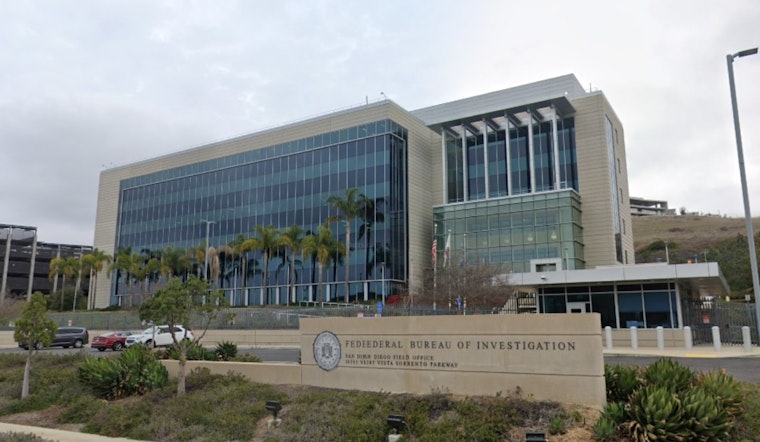
Scammers drained nearly $4.9 billion from Americans aged 60 and older in 2024, leaving wiped-out savings accounts and families scrambling to figure out what happened. The losses were not just statistics on a spreadsheet, as many older victims told investigators they were hit with six-figure scams that gutted retirement funds. Today, the FBI’s San Diego account boosted the warning and urged anyone who suspects fraud to contact authorities.
IC3 numbers at a glance
According to data from the IC3 annual report, people aged 60 and older filed 147,127 complaints in 2024 and reported losses totaling $4.885 billion. That marked roughly a 46% jump in complaints and a 43% rise in reported losses compared with 2023. The report also notes that about 7,500 older victims lost more than $100,000, while the average loss for that age group hovered near $83,000.
Scams that hit seniors hardest
National reporting shows total internet-crime losses climbed to a record $16.6 billion in 2024, and analysts point to investment and cryptocurrency-enabled schemes as major drivers of the spike. The Washington Post notes that organized fraud rings and easier crypto rails have made clawing back money harder and pushed average losses for older victims higher.
San Diego resources and reporting
The FBI San Diego field office is echoing the IC3 findings and urging anyone with information or concerns to call (858) 320-1800 or the national line at 1-800-CALL-FBI. FBI San Diego and federal partners recommend filing complaints through the Internet Crime Complaint Center so that investigators can connect related cases that may span multiple jurisdictions.
How families can protect older relatives
Officials advise slowing down before sending money, resisting pressure to act on the spot, and double-checking unexpected requests by calling known family members or institutions directly. They also urge people to contact banks or payment platforms immediately if they suspect a fraudulent transfer. The FBI recommends saving records of communications, turning on account alerts and two-factor authentication, and reporting every suspected incident, even when victims feel embarrassed or unsure.
What to watch and next steps
With more than 147,000 older adults reporting scams in a single year, law enforcement and consumer advocates say that speaking openly about money in families and boosting reporting are key to slowing organized fraud. If you suspect a scam, officials say to use IC3 and contact your local FBI field office so investigators can spot patterns and, when possible, work to recover stolen funds.



