

























































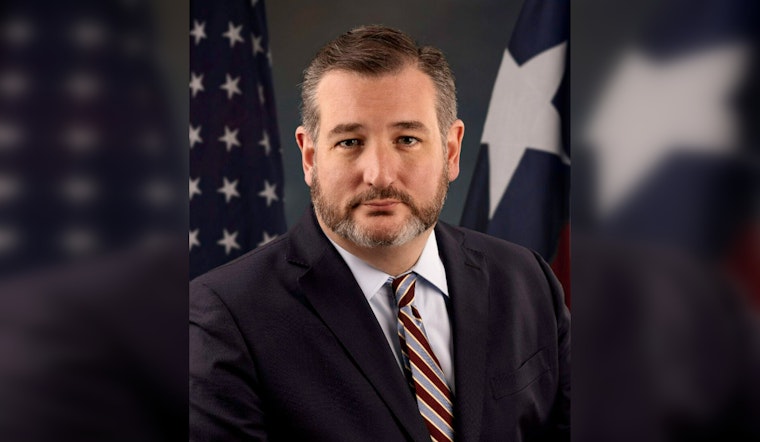
As digital platforms continue to aggressively pull viewers away from traditional television, concerns around media ownership and regulatory adaptation have sparked debate in the highest levels of government. At a recent Senate Commerce Committee hearing, Chairman Ted Cruz probed whether the long-standing rules governing broadcast media ownership still fit into today’s fragmented media context. "The days when broadcasters built a uniform global village across America’s living rooms is over," Sen. Cruz said, according to a report by Commerce Senate.
The digital age has begun to fiercely challenge established broadcasters, who now must square off against a myriad of web sites, streaming services, and tech conglomerates with a global footing. Current Federal Communications Commission (FCC) regulations cap any single station owner’s reach at 39 percent of U.S. television households. Proponents of this restriction argue that it maintains a diverse spectrum of viewpoints. However, as Cruz pointed out, "This raises an important question: are long-standing broadcast media ownership rules still relevant in the digital age, and, if so, to what extent?" as noted by the Commerce Senate.
The Telecommunications Act of 1996, as mentioned in Cruz's statement, had the foresight to require the FCC to reevaluate its broadcast ownership rules every four years with a view towards deregulation. Nonetheless, the cap on national TV audience reach, set in stone at 39 percent, has stood unchanged for over two decades and may now be subject to scrutiny as the FCC considers modifying it.
The possibility of scaling broadcasters up to compete effectively with their deep-pocketed tech rivals is one potential outcome of lifting the cap. This could ostensibly streamline investments in local news outlets nationwide. However, critics worry that this change might consolidate media voices and strengthen the grip of major newsrooms over local narratives. "But more fundamental than the optimal policy is the law," Cruz added, suggesting that the FCC might lack the power to adjust the cap without Congressional action, according to the same press release.
With the landscape of media having undergone seismic shifts in recent years and with the proliferation of content across various digital channels such as TikTok and podcasts, the efficacy and relevance of existing regulations have become pressing matters for Congress to resolve. The recent hearing was aimed at informing Congress on these critical questions and determining whether the FCC has the proper authority and flexibility to adapt to an evolving media world.





.jpg)