

























































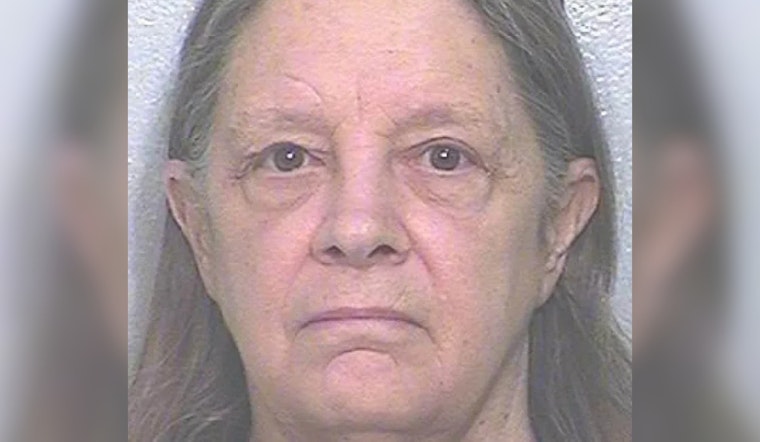
A state parole panel last Thursday once again shut the door on freedom for Marjorie Knoller, the woman at the center of San Francisco’s infamous 2001 dog-mauling case. Commissioners denied her bid for release for a third time, finding that she still poses an unreasonable risk to public safety, and set her next chance at parole for February 2029. Knoller, now 70, is serving a 15-to-life sentence for the killing of Diane Whipple.
Victim's Partner Confronts Parole Board
Whipple’s partner, Sharon Smith, appeared remotely at the hearing and read a prepared statement urging the board to keep Knoller behind bars. Smith told commissioners that Knoller “has never offered a sincere apology” and “has never demonstrated genuine insight into the decisions that led to this tragedy,” according to the Bay Area Reporter. The panel said the extreme nature of the crime, along with Knoller’s disciplinary record in prison, weighed heavily in the decision.
The Attack That Shocked The City
The deadly mauling unfolded on January 26, 2001, in a Pacific Heights apartment hallway, when two large Presa Canario dogs attacked 33-year-old Diane Whipple as she returned from the grocery store, causing catastrophic neck wounds. Neighbors and courtroom testimony later described a long history of aggression by the dogs and detailed the couple’s connection to a Pelican Bay State Prison inmate who had the animals bred, according to SFGATE.
Guilty Verdicts, Appeals And Aftershocks
In 2002, a Los Angeles jury found Knoller guilty of second-degree murder. After a tangle of appeals that moved through the state courts, the conviction was ultimately reinstated, and she received a sentence of 15 years to life, as reported by CBS News. Her husband, Robert Noel, was convicted of involuntary manslaughter, later paroled, and, according to the Bay Area Reporter, died in 2018. Commissioners cited Knoller’s prison disciplinary history in denying parole and noted that the ruling will undergo a 120-day administrative review, as that outlet also reported.
Board Decision And Next Steps
The parole panel said it found an unreasonable risk to public safety in releasing Knoller and scheduled her next hearing for February 2029, according to SFGATE. Unless the Board of Parole Hearings or the governor intervenes during the administrative review period, Knoller will remain in state custody.
Why The Case Still Matters
The Whipple case helped reshape legal battles over responsibility for violent animals and left a lasting imprint on civil rights. Whipple’s partner, Sharon Smith, successfully brought a wrongful-death lawsuit as a domestic partner and won a $1.5 million judgment, a rare legal recognition for same-sex partners at the time, according to the SFGATE. For many in the Bay Area, this latest parole hearing revived longstanding questions about how the criminal-justice system weighs punishment, rehabilitation and public safety when a case sears itself into local memory.





