

























































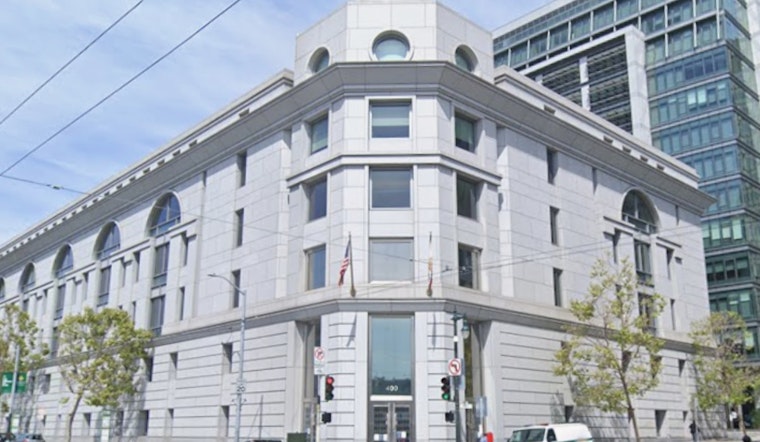
When Ann Keith boarded a plane from Guam to San Francisco last year, she was clinging to one hope: that California's new CARE Court could reach her 35-year-old son, Connor, after years of worsening psychosis, fentanyl addiction and homelessness. She spent months in hearings trying to get him into the program. On Sept. 9, 2024, the court dismissed his petition. Ten days later, Connor died of an overdose at a friend's home in the Bayview.
For Keith and other families watching the rollout, his death has become a searing test of whether the system can actually reach the people it was created to help.
The Case Putting CARE Court Under the Microscope
As reported by the San Francisco Chronicle, Ann filed a petition in April 2024 and submitted a letter documenting a past schizophrenia diagnosis. A Department of Public Health lawyer countered that Connor had a bipolar diagnosis instead, which would put him outside the program's narrow eligibility.
Court notes reviewed by the Chronicle show Judge Michael Begert presided over hearings in June and September 2024 before dismissing the case. The paper quotes Ann saying, "This has become my private hell." A medical examiner later found fentanyl, cocaine, and meth in Connor's system, according to the reporting.
How CARE Court Is Supposed To Work
The CARE Act set up a voluntary, court-supervised process that is meant to link people with severe psychosis to treatment plans, housing and regular check-ins with a judge, without turning civil care into automatic involuntary hospitalization. As outlined by the San Francisco Superior Court, eligibility was initially limited to schizophrenia-spectrum and other psychotic disorders, with county behavioral health agencies responsible for crafting CARE plans.
Courts can schedule review hearings, nudge people toward services and monitor progress, but participation is voluntary. Advocates say that design makes it especially hard to engage people who lack insight into their illness or who are cycling between the streets, emergency rooms and short-term holds.
Rollout Far Smaller Than Early Promises
According to CalMatters, state Judicial Council data show only about 3,092 petitions filed statewide and roughly 706 CARE plans in place as of October 2025. That is a sliver of the 7,000 to 12,000 people officials once estimated could qualify.
Counties and family advocates argue that the program's voluntary nature and tight diagnostic criteria have left many of the sickest people out of reach. Lagging numbers pushed lawmakers to approve changes last year that broadened who can qualify and pressed counties to step up outreach.
San Francisco's Numbers And The Cost Debate
San Francisco, one of the first counties to launch CARE Court, has also seen modest participation. Through Dec. 8, 2025, officials reported just 92 petitions filed, with 60 dismissed, 18 resulting in agreements and fewer than 11 people completing the program, the San Francisco Chronicle reports.
The paper also notes that Gov. Gavin Newsom and state lawmakers have put more than $424 million into the initiative, and that an early legislative analysis pegged state spending at roughly $700,000 per person referred. Those figures have fueled a running argument over whether funneling people through court is soaking up cash that could instead go directly into treatment beds, housing and outreach workers.
Mayor Daniel Lurie’s chief homelessness consultant, Kunal Modi, told the SF Chronicle that CARE Court "has not proven to be a major avenue into care" in San Francisco, while acknowledging that some people do match the program's intended profile.
Lawmakers Broaden Who Can Be Referred
In October 2025, Newsom signed SB 27, a follow-up bill that expands eligibility to include people with bipolar I disorder with psychotic features and streamlines referral pathways between courts and county behavioral health agencies. The governor’s office framed SB 27 as a fine-tuning measure meant to connect more people to care.
The official bill text on the California Legislature site lays out the statutory changes. Supporters argue the expansion will open doors for more desperately ill residents. Opponents counter that it could stretch court oversight even further without solving chronic shortages of housing and treatment slots.
Legal Implications
On paper, CARE Court remains a civil program that relies on county engagement and judicial oversight rather than automatic involuntary commitment. The statute requires counties to submit data and gives judges discretion to dismiss cases that do not meet CARE criteria.
SB 27 adds more referral routes from criminal proceedings and new reporting obligations for counties and the Judicial Council. That, in turn, raises questions about record sharing, privacy and how courts, jails and treatment providers will coordinate when someone moves between systems.
What Families And Advocates Say Has To Shift
Families and advocates told CalMatters that the underlying problem is not the presence of judges, but the lack of treatment capacity, long-term housing and consistent, on-the-ground outreach. Disability rights lawyers warn that a court-first model risks widening government supervision without any guarantee that real services will be available on the other side of an order.
For parents like Ann Keith, those arguments feel painfully abstract. She says her son needed care that never materialized, no matter how many times she showed up at court.
What Comes Next For CARE Court
Counties are still adjusting how their CARE dockets work, and statewide reporting required under SB 27 is expected to generate more detailed data this year so lawmakers can judge whether the law is actually reaching its target population.
Local officials and advocates say any next phase will have to include more street outreach, more housing placements and tighter coordination with crisis teams so people are not lost in procedural gaps. Hoodline earlier flagged similar rollout problems in the Bay Area in a package titled "Care Court A Bust."





