

























































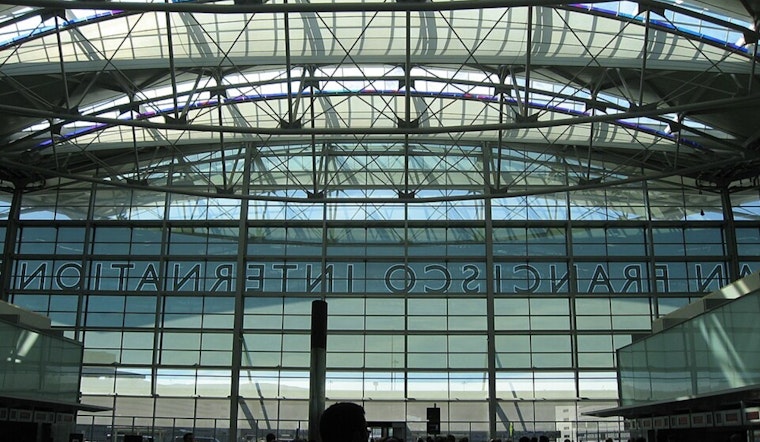
San Francisco International Airport is gearing up to swap sporadic visits from social workers for a steadier, on-site outreach presence as more people bed down in its terminals at night. For years, a small crew of caseworkers and empathetic airport staff quietly tried to respond on their own. Now county and airport leaders have signed off on a plan to bring a consistent social-service team into the terminals, working alongside public-safety staff to offer food, hygiene supplies, basic medical checks, and connections to shelter and longer-term case management.
According to KQED, San Francisco Police Department officers encounter about 35 unhoused people at SFO on an average day, with public records showing nearly 250 contacts in just the first week of December 2025. Those numbers have pushed airport and county officials to rethink the usual late-night routine of officers waking people up and moving them along.
County Funds a Bigger Team
The San Mateo County Board of Supervisors and the SFO Airport Commission have approved an agreement to grow the airport’s outreach operation, and LifeMoves has laid out a plan to station staff at SFO several days a week, according to a LifeMoves announcement and reporting by San Francisco Chronicle. KALW reported that until now, LifeMoves workers only swung through on limited monthly visits, clocking roughly four hours a month in the terminals. The nonprofit says the expanded schedule will zero in on immediate needs, rides to county shelters, and warm handoffs into ongoing services.
Why Terminals Become Shelter
People experiencing homelessness told reporters they often gravitate to SFO because it stays open overnight, offers bathrooms and food options, and can feel safer than streets or encampments. KQED also noted that the airport tightened its public-access hours in May, so anyone without a ticket found inside between 6 p.m. and 8 a.m. is now treated as trespassing. That policy shift has changed how officers and staff respond when they find people sleeping in the terminals.
County Lines Complicate Housing
SFO sits in an unusual jurisdictional bind: it is owned by the City and County of San Francisco but physically located in San Mateo County, which is why outreach at the airport has been handled through San Mateo contracts. As KALW reported, LifeMoves operates under San Mateo County’s authority and cannot directly place many of its airport clients into San Francisco shelter beds. Advocates say that kind of jurisdictional fragmentation makes it tougher to turn a late-night contact in the terminal into a realistic path to long-term housing.
What to Watch Next
The exact launch date for full staffing will depend on contract tweaks and other logistics. The San Francisco Chronicle reported that the agreement was still being amended but expected to take effect in the spring. Outreach workers and airport staff say that having a regular, trusted presence in the terminals should help connect people to shelter and medical care more quickly. They also stress that as helpful as airport outreach can be, it will take a much larger supply of permanent, affordable housing to address the problem at scale.





.jpg)