

























































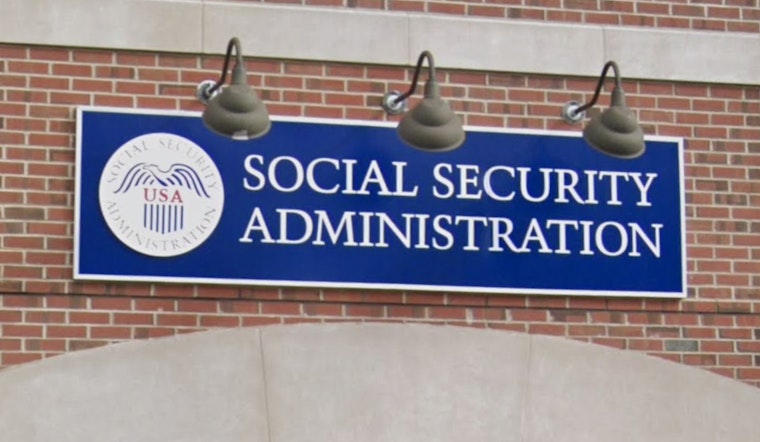
Applying for federal disability benefits may soon feel a little less like waiting in line at the DMV. Social Security is expanding a long-running electronic data partnership so it can grab medical records faster for people seeking disability, a move officials say should speed decisions and get benefits to applicants sooner. The upgrade slots into a broader push for national data sharing under the federal TEFCA framework.
The nonprofit eHealth Exchange says it has been tapped as Social Security’s Qualified Health Information Network and that the agency is now in the testing phase, aiming to go live in spring 2026. eHealth Exchange describes the move as an expansion of a relationship that dates to the agency’s first live data exchange in 2009. The group says the new setup will let Social Security send more targeted record requests instead of blasting broad queries, which supporters say should cut down on duplication, back-and-forth and time-wasting delays.
What This Means for Applicants
In a blog post, the Social Security Administration said it processes about 2 million disability claims every year and that faster electronic access to medical records can significantly shorten many of those decisions. The agency noted that "interoperability can reduce claim processing by more than 50 percent in many cases," and it expects the new connection to be up and running by early spring 2026. Officials say the real goal is to cut the dead time while staff chase down objective medical evidence, so applicants waiting on a yes or no are not stuck in limbo quite as long.
Privacy and Oversight Questions
Not everyone is cheering the rapid buildout of national health data exchange. Some health systems and privacy advocates are uneasy about how widely patient records might travel and who gets to see what. Healthcare IT News reported that more than 40 provider organizations have recently called for tighter vetting, more rigorous monitoring and greater transparency for TEFCA participants, arguing those safeguards are necessary to prevent improper disclosures. Industry lawyers and hospital leaders point to lawsuits and formal letters pressing for clearer rules as a reminder that flipping on technical connections will not, on its own, fix policy gaps or trust issues.
Where TEFCA Fits in the National Picture
The Sequoia Project’s Recognized Coordinating Entity, which oversees TEFCA, says the exchange is already running at scale. Its public dashboard lists more than 474 million documents shared since TEFCA went live in December 2023 and more than 12,000 organizations connected. Supporters cite that kind of volume when they argue TEFCA can streamline government work such as benefits determinations while still relying on purpose-of-use controls and audit trails. Even so, the RCE and federal partners are likely to face ongoing pressure to show that onboarding, monitoring and auditing are tough enough as the Social Security use case moves from test mode to day-to-day production.
For health providers that want in, Social Security directs them to technical guidance on the Social Security Administration website and says it will post updates as testing wraps up and the connection is turned on. The agency is pitching the change as a way to trim manual record requests and paperwork. Once the connection is live, SSA says disability applicants should see fewer bureaucratic slowdowns and faster access to benefits as medical evidence flows in more quickly.


