

























































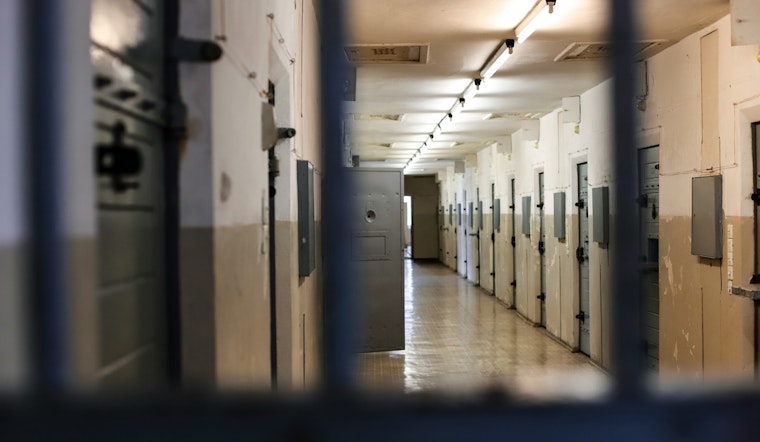
A new state report says Tennessee is on track to have enough long-term placements for kids in custody once a slate of new facilities opens, but it also throws a bright spotlight on a big problem in West Tennessee: not enough short-term, pretrial detention beds for youth. The commission behind the study warns that if lawmakers focus only on bricks and mortar, they risk simply building more jail-like settings for kids instead of pairing new space with real oversight and community-based programs.
TACIR: Post-adjudication capacity likely addressed
According to TACIR, state-funded construction projects already in the pipeline should cover most long-term, post-adjudication placement needs for at least the next decade. In its February report, the commission notes that overall juvenile crime is down, but certain serious offenses are on the rise, and it stresses that any new placements have to be tied to treatment and continual oversight if they are going to work.
Oversight debate traces to Bean Center reporting
Local investigations into the Richard L. Bean Juvenile Service Center in Knoxville uncovered repeated, often unlawful use of seclusion, sparking fresh demands for independent eyes on youth detention. As reported by ProPublica, lawmakers responded in 2024 with a bill to move oversight out of the Department of Children’s Services, but that proposal stalled out at the legislature.
State dollars are already committed
The TACIR analysis notes that DCS’s 2023 Real Estate Plan includes one hardware-secure facility and two staff-secure facilities, and that the General Assembly has already put more than $333 million on the table to pay for them. TACIR concludes that, once those buildings are finished, Tennessee’s post-adjudication shortfall should effectively disappear.
West Tennessee still short on pretrial beds
The commission finds the real squeeze is on the front end, for youth held before their cases are decided, especially in West Tennessee. Shelby County’s juvenile detention center is relatively large, with more than 100 beds, but other counties in the region “rarely” have room and often end up sending kids to facilities in Middle or East Tennessee instead. That pattern drives up transportation costs and pulls young people farther away from their families, a tradeoff TACIR staff documented and local reporters later broke down for readers. WPLN highlighted those regional gaps in its coverage.
Recommendations: oversight, penalties and community options
The commission urges lawmakers not to treat new construction as a cure-all. It recommends that local juvenile detention centers be licensed by DCS and that the state give itself clear power to penalize facilities that violate standards. TACIR also calls for more recurring funding for community-based alternatives to detention and a broader, more consistent use of detention risk assessments. The report warns, “Focusing on capacity increases alone won’t necessarily improve outcomes for youth in custody or the communities in which they live.”
What’s next
TACIR filed the report under a directive from the legislature for 2025, effectively handing lawmakers a road map that mixes construction fixes with policy changes. The next round of debate at the Capitol is expected to center on whether to bankroll a new pretrial facility in West Tennessee, beef up oversight authority, or put more money into community programs that keep kids closer to home in the first place.





