

























































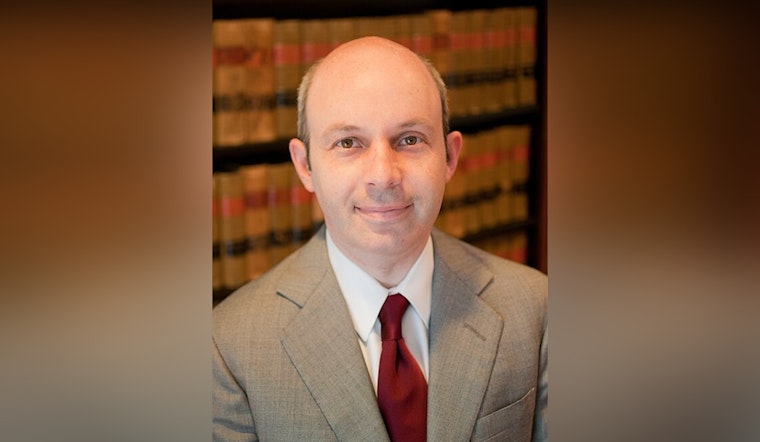
Federal jurors in Greenbelt, Maryland, are about to decide whether Thomas C. Goldstein, a veteran Supreme Court advocate and co‑founder of SCOTUSblog, crossed the line from sloppy bookkeeping into criminal tax evasion while living what prosecutors call a secret life as an ultra‑high‑stakes poker player. After roughly six weeks of testimony, the government says Goldstein hid millions in poker winnings, funneled law‑firm money to cover gambling losses, and hid debts on mortgage paperwork. Goldstein has told jurors he made mistakes, not crimes, in a saga that has captivated the legal world with its mix of celebrity witnesses, big‑money gamblin,g and meticulous courtroom accounting.
Prosecutors presented a 16‑count case that they say shows Goldstein failed to report millions in gambling income, used firm funds to pay off poker debts and disguised personal outlays as business expenses, according to the Associated Press. An indictment from the U.S. Attorney's Office, District of Maryland lays out similar allegations, accusing him of filing false mortgage applications and using his firm’s payroll and health‑insurance systems to conceal personal relationships and expenses. If convicted, prosecutors and the filing say Goldstein faces potential prison time, significant fines and restitution under federal law.
High‑stakes witnesses and a double life
The witness list featured some unexpected star power. Actor Tobey Maguire testified about seeking Goldstein’s help in a gambling dispute, while professional poker players walked jurors through loans, repayments and transfers that prosecutors say underpin the alleged scheme, as reported by Bloomberg Law. Years earlier, Goldstein told The New York Times Magazine, “I just had this entirely separate life,” a line prosecutors have now asked jurors to weigh against bank records and testimony from the poker tables.
Defense: Errors, not crimes
Goldstein’s team has tried to shrink the drama back down to accounting problems. His lawyers argue the discrepancies were bookkeeping errors, not part of a criminal plan. Defense attorney Jonathan Kravis told jurors it was “not even close,” contending that investigators leaned too heavily on one accountant’s account without digging deeper, the Washington Post reports. On the stand, Goldstein acknowledged that he failed to adequately supervise how expenses were categorized but insisted he did not act willfully, saying he relied on accountants and firm managers to keep the books straight.
What is at stake and what comes next
U.S. District Judge Lydia Kay Griggsby is expected to instruct jurors in Greenbelt before deliberations begin, following a trial that started in mid‑January, according to the Associated Press. The Justice Department indictment from the U.S. Attorney's Office, District of Maryland lists charges that include tax evasion, aiding in the preparation of false tax returns and making false statements to mortgage lenders, along with the range of penalties prosecutors say could follow. How jurors read Goldstein’s conduct, whether as a jumble of isolated errors or as a calculated plan, will determine whether this long‑running controversy ends with a criminal conviction on top of the reputational damage already roiling Washington’s elite appellate bar.
The case has sent ripples through appellate circles, with colleagues and court‑watchers following every filing to see whether a prominent Supreme Court specialist will be held criminally liable for conduct that unfolded far from the marble courtroom, the Washington Post reports. Deliberations are expected to begin later this week, and the verdict is likely to fuel ongoing debates about ethics, compliance and oversight at top law firms as much as it will decide Goldstein’s personal fate.





