

























































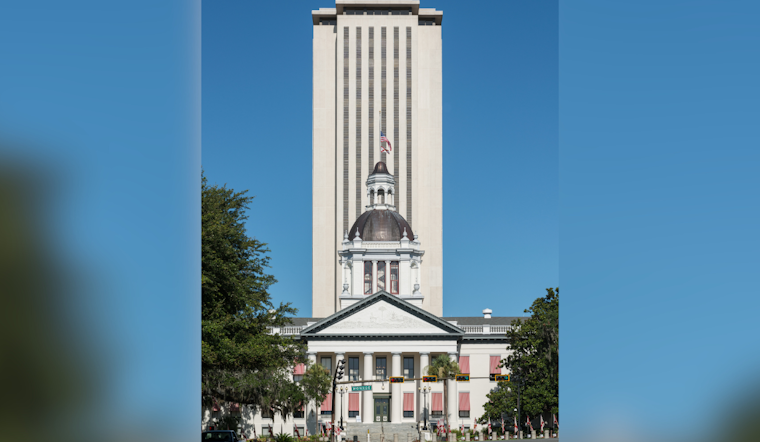
The fight over who gets a coveted seat at Florida’s top public universities is heating up in Tallahassee. A bill moving through the Legislature would sharply reduce the number of out-of-state freshmen at the state’s most selective campuses, shifting more spots to Florida residents. Rep. Jennifer Kincart Jonsson filed House Bill 1279, which aims to cap nonresident first-time-in-college admits at preeminent campuses at roughly 5 percent of fall classes. The proposal has already cleared an early House subcommittee and is headed for more committee vetting in the capital.
What the bill would do
House Bill 1279 would reset admission rules for universities labeled “preeminent” in state law so that each must keep its fall, full-time, first-time-in-college class at a minimum of 95 percent Florida residents, calculated on a three-year average. According to the bill text posted by the Florida Senate, campuses that miss that threshold would lose eligibility for preeminent funding beginning July 1, 2030. The bill also limits the share of non-citizen, non-permanent-resident degree seekers from any single country to no more than 5 percent.
Who would it hit
The changes are aimed squarely at “preeminent” state research universities, which include the University of Florida, Florida State, UCF, USF, and FIU. The plan would replace the current systemwide averaging that allows some flagship campuses to enroll a far higher proportion of non-Florida freshmen than others. Local reporting notes those schools have recently brought in out-of-state first-year classes in the high-teens to nearly 20 percent, and the bill would force those rates down to around 5 percent. As reported by FOX 13 Tampa Bay, the bill’s sponsor says the shift is intended to give Florida students first priority for those seats.
Money and the campus
University leaders warn that the proposed cap would put a dent in a reliable revenue stream. Out-of-state undergraduates pay several times the in-state tuition rate, and that extra money helps keep tuition relatively low for Floridians while funding a range of campus programs. The state university system has recently moved to give schools more room to raise out-of-state fees as one way to stabilize budgets, a policy shift outlined by WLRN. An analysis by an FSU professor has projected potential multiyear tuition losses in the tens of millions of dollars if the cap takes hold, sketching out the trade-offs administrators would face between access for in-state students and financial breathing room.
What’s next in Tallahassee
The measure cleared the House Careers & Workforce Subcommittee on Jan. 28 and landed on the House Budget Committee agenda in early February, according to legislative tracking pages. Even if it moves through the House, the bill would still need approval in the Senate and the governor’s signature before becoming law, a path that would likely spur a tight fiscal debate over higher education funding and policy priorities. Current bill status is available on LegiScan.
What to watch
Observers are watching for amendments that might carve out summer admits, add grandfather clauses or exempt graduate and research programs, changes that universities argue could soften the financial shock. Parents, admissions counselors, and campus leaders are already wrestling with the trade-offs between opening more spots for in-state students and the potential budget hits, a debate tracked in local coverage across Central Florida by FOX 35 Orlando.





