

























































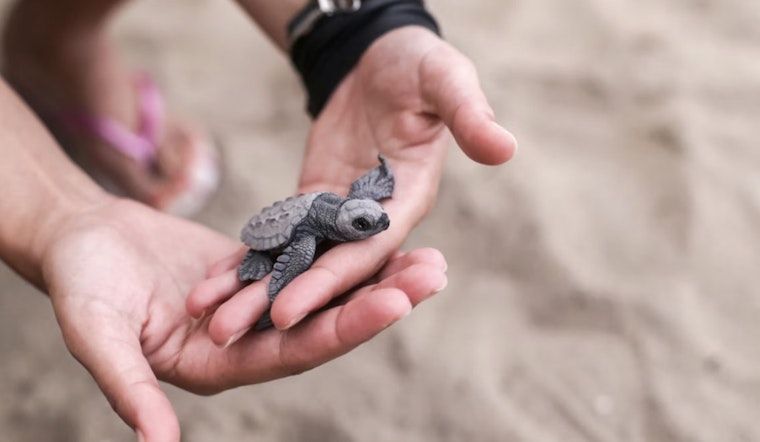
After a rare February cold snap turned Florida’s usually balmy waters into a chilly shock, Clearwater Marine Aquarium staff are hustling to nurse several sea turtles back to health. The reptiles showed up lethargic and stranded along local shorelines, and technicians say they are being slowly rewarmed, given fluids and watched closely for complications while veterinary teams evaluate each patient.
In a video report, FOX 13 Tampa Bay captured aquarium staff working the makeshift sea turtle ICU, checking vitals and tending to the animals in heated pools as they start to perk up. The segment, which includes interviews with Clearwater Marine Aquarium personnel, shows how quickly rehab crews had to shuffle tanks and resources to keep up with the sudden wave of cold-stunned arrivals.
Why cold snaps are so dangerous
According to the Florida Fish and Wildlife Conservation Commission, sea turtles become “cold-stunned” when coastal water temperatures dip to about 50°F or below. At that point the animals can turn sluggish, lose the ability to swim or dive properly and end up helpless at the surface or on the shoreline. FWC urges anyone who sees a sluggish or stranded turtle to call the Wildlife Alert Hotline at 888-404-FWCC instead of trying to push it back into the water.
Statewide response stretched rehab centers
The cold blast sent facilities scrambling from the Keys up to the Space Coast. SeaWorld Orlando reported that it took in about 16 turtles from Titusville, while the Turtle Hospital in Marathon logged several juvenile green sea turtles among its new patients. CBS Miami documented the influx, and The Florida Aquarium in Apollo Beach said its sea turtle unit has been hit with a surge of cases. The Florida Aquarium has asked for public support as staff juggle limited beds, medical supplies and veterinary hours.
How vets bring turtles back
Veterinary teams follow a careful playbook for cold-stunned turtles: gradually raising body temperature, administering warm fluids, addressing dehydration or infections and then running diagnostic imaging and swim or buoyancy tests before any animal is cleared for release. Regional coverage from outlets like WFTV notes that most juvenile turtles rebound well with this regimen, though cases complicated by pneumonia can require longer stints in rehab.
Clearwater Marine Aquarium's role
Clearwater Marine Aquarium has a long track record of stepping in during cold-stun events, routinely accepting transfers and taking part in coordinated rescues with other facilities. Its press materials highlight multiple successful releases in recent years as recovered turtles regain enough strength and stamina for open-ocean life. CMA staff say the current group of patients is already improving and will be released once veterinarians are confident they are ready for deeper water.
If you encounter a sluggish or stranded sea turtle, do not try to warm it up yourself or push it back into the surf. Report the exact location to the FWC Wildlife Alert Hotline at 888-404-FWCC so trained responders can take over. Local rehab groups also need support, and volunteers and donations help free up space and supplies for the next wave of patients.





