

























































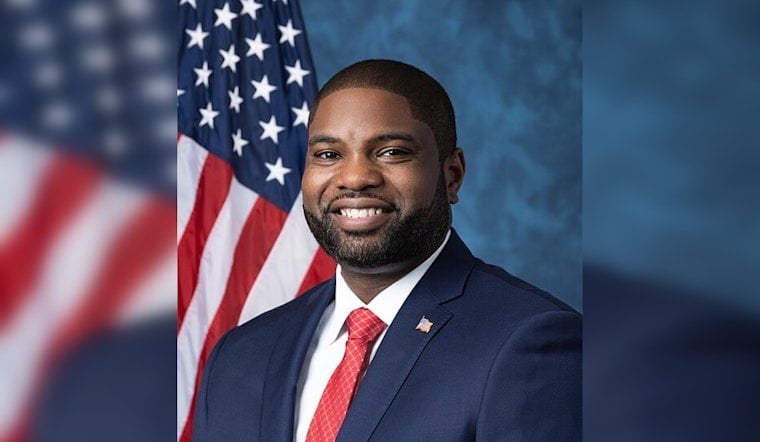
Rep. Byron Donalds is rolling out a sweeping school food and water plan that reads like a full‑scale cafeteria reboot for Florida. His statewide policy package, titled Healthy Florida Healthy Families, aims to pull ultra‑processed foods, artificial dyes and certain additives off kids' lunch trays, while also forcing every public school to test drinking water for lead and other contaminants. The proposal leans heavily on transparency, calling for public menus and ingredient lists, tighter rules on vending‑machine snacks and new funding to build a cleaner, Florida‑focused cafeteria supply chain. Donalds is pitching it as a parent‑first effort to spell out exactly what children are eating and drinking during the school day.
According to The Daily Signal, Donalds used the Healthy Florida Healthy Families rollout to argue that parents should not be left guessing. "When a kid sits down in a cafeteria, parents want to know what's on that tray. When they fill a cup at the fountain, we want to know what's in that water," he said. The outlet reported that the package would close loopholes that currently let soda, candy and heavily processed snacks stay on campus, while also requiring school districts to post full menus and ingredient lists online.
Testing, Water And The EPA
Right now, Florida does not require all schools to test drinking water for lead or other contaminants. Instead, the state runs a voluntary testing program that schools and childcare providers can choose to join, according to the Florida Department of Environmental Protection. Florida DEP says that program follows federal Environmental Protection Agency guidance and gives priority to facilities considered at higher risk.
Under Donalds' plan, testing would no longer be optional. Every school would have to test, post results publicly and carry out remediation when unsafe levels are found. The proposal also calls for Florida's test panel to match the EPA's draft Sixth Contaminant Candidate List, which for the first time puts microplastics and pharmaceuticals in priority contaminant groups. The EPA released that draft list in April 2026.
Food On The Tray And Farm‑To‑Cafeteria
Public school meals in Florida still have to follow federal nutrition rules from the U.S. Department of Agriculture, which lay out meal patterns and nutrition standards for reimbursable breakfasts and lunches. USDA has updated those standards in recent years, but a state layer of policy would be needed to ban whole categories of ultra‑processed ingredients or specific additives.
The Donalds package says it would tighten purchasing rules while expanding farm‑to‑school efforts. The idea is to link Florida farmers more directly to school cafeterias and put money into the supply chain needed to meet stricter “clean food” expectations. Those moves sit against the backdrop of HHS' MAHA priorities, which include phasing out petroleum‑based food dyes and updating food regulations.
What It Would Take
To turn the proposal into something more than talking points, lawmakers would have to pass new state legislation, sign off on fresh funding for water testing and cleanup, and rewrite procurement and contracting rules that govern what districts are allowed to buy. The Florida Department of Agriculture and Consumer Services runs Farm to School programs and issues procurement guidance that show how local sourcing has to line up with federal rules. FDACS outlines those procurement compliance requirements.
Donalds has already put children’s health into his broader political message. His "Strong Kids, Strong Florida" platform sketches related priorities for school nutrition and wellness. The campaign detailed that initiative in July 2026 on Byron Donalds for Governor, framing it as part of a longer‑term push to shape policy around kids' health and development.
Whether Healthy Florida Healthy Families actually moves at the Capitol or gets picked up piecemeal by school districts will likely come down to money, logistics and raw politics. For parents on the sidelines, the first visible shift, if any part of the plan advances, would be more transparency in plain sight: online menus, detailed ingredient lists and posted water test results.





