

























































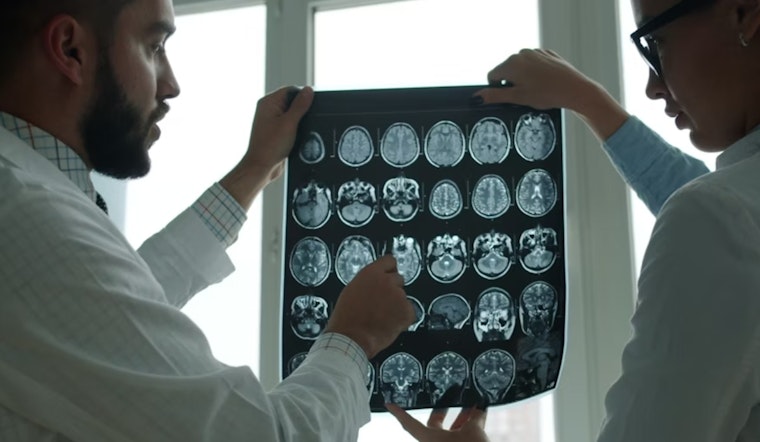
In a key finding that might soon change the treatment protocols for stroke victims, a massive clinical trial pinpoints that a certain synthetic protein could be the new hope for select patients suffering from acute intracerebral hemorrhage (ICH). Presented by Dr. Joseph Broderick from the University of Cincinnati, the FASTEST trial data were a key focus of discussions at the latest International Stroke Conference. In conjunction with its presentation, The UC News published the study findings, featuring Dr. Broderick as the corresponding author.
The clinical trial investigated the efficacy of recombinant factor VIIa (rFVIIa), a lab-engineered version of a naturally occurring protein that helps to quickly stop bleeding. Despite the overarching results being inconclusive, certain patient subgroups were found to likely benefit from the drug. According to UC News, "The closer to time zero you can treat, the less bleeding you are likely to have with [this] treatment," Broderick told the conference attendees. This perspective provides a framework to potentially fine-tune treatment timing for future patients.
Spontaneous ICH strikes when a vessel in the brain ruptures, causing bleeding that's fatal in half the cases. Targeting this condition, researchers administered rFVIIa or a placebo to patients across 93 international locations within two short hours of a stroke's onset. Out of 328 patients given rFVIIa and 298 on placebo, positive signals emerged for those with 'spot signs,' which indicate vessel rupture, and for treatments given within the pivotal 90-minute window post-stroke onset.
Patient outcomes measured 90 days after experiencing ICH revealed that those treated with rFVIIa, fitting the specific criteria mentioned above, fared better in terms of both survival and reduction in the severity of their condition. As per UC News, Broderick noted, "It makes biological and clinical sense, which is why we’re doing FASTEST Part 2 in these subgroups." Furthermore, the reduction in the growth of the hemorrhage witnessed amongst this select group was notable, being the most significant ever observed in a trial of this nature.



