

























































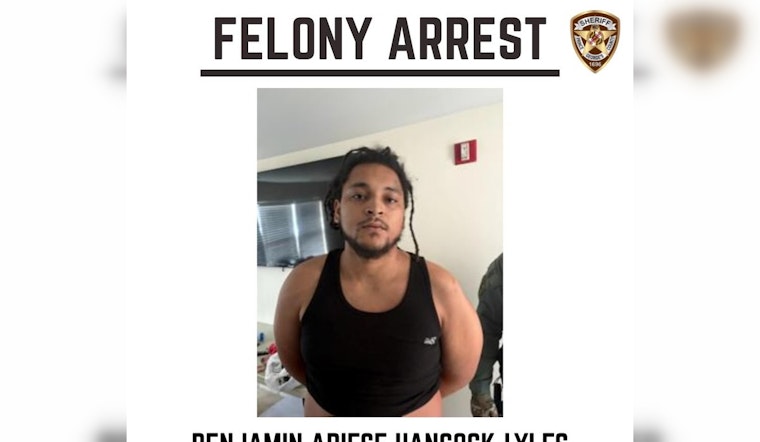
An unpermitted car meet in Prince George's County ended in a robbery and gunfire, according to sheriff's deputies, who say a local man is now facing an attempted murder charge along with a stack of related counts. Benjamin Ariese Hancock-Lyles was arrested on Feb. 9, and investigators say they recovered a distinctive firearm they believe is tied to the incident. The case unfolds as Maryland authorities continue to tighten the screws on illegal car meet-ups that have been drawing both crowds and crime.
Arrest and charges
According to a Facebook post from the Prince George's County Sheriff's Office, deputies took Hancock-Lyles into custody on Feb. 9 in connection with what they describe as a robbery and shooting at an unpermitted car meet in the county. He was booked on multiple counts, including attempted second-degree murder, armed robbery, first- and second-degree assault, theft under $1,500, wearing or carrying a loaded handgun on his person, transporting a handgun in a vehicle, and use of a firearm in the commission of a violent felony. The sheriff's office says a distinctive firearm believed to have been involved in the crime was recovered at the time of the arrest.
Car meets and enforcement
State and local police in Maryland have been cracking down on illegal car gatherings, describing them as public-safety risks and linking many of the events to firearms and other criminal activity, as reported by FOX 5 DC. Last year, Prince George's County saw several deadly incidents at car meets, including multiple fatal shootings that highlighted how quickly these late-night showcases can turn violent; see The Washington Post for earlier reporting.
Legal status and next steps
The Prince George's County Sheriff's Office post did not list bail information or a court date for Hancock-Lyles. Those details are typically set during an initial appearance in district court. For now, Hancock-Lyles remains legally presumed innocent unless and until prosecutors with the State's Attorney's Office secure formal charges or indictments and prove their case in court. Upcoming court filings and records will provide the next public look at how the case moves forward.





