

























































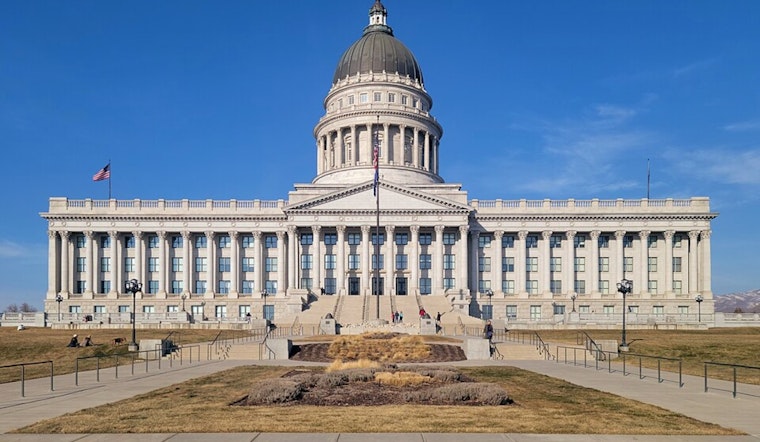
Utah’s Capitol got an earful Wednesday on a proposal that could shake up how first-time buyers tap state help, opening the door for aid on existing homes, not just brand-new builds. The idea is simple but politically loaded: keep the current, richer benefit for new construction, while adding a smaller tier for resale homes so more buyers can get in the game.
H.B. 541, sponsored by Rep. Verona Mauga, would tweak the First-Time Homebuyer Assistance Program so qualifying buyers could use state assistance on already existing homes, with those purchases capped at up to $10,000 in help. That would be a step down from the $20,000 maximum that remains on the table for newly built units under the 2023 law, according to ABC4.
How the program works now
Utah created the First-Time Homebuyer Assistance Program in 2023 with Senate Bill 240, which offers eligible first-time buyers up to $20,000 as a 0% deferred loan for newly constructed homes priced at $450,000 or less, according to the Governor’s Office. The Utah Housing Corporation runs the program, and recipients typically repay the funds when they sell or refinance instead of making monthly payments, as reported by KSL.
Local reporting has noted that lawmakers deliberately tied the money to new construction in an effort to nudge builders to put up more homes under the $450,000 price cap, which explains why resale homes were left out at the start, according to Deseret News.
Why lawmakers want to change it
Backers of H.B. 541 say that in practice, the new-build requirement boxed out a lot of would-be homeowners, since much of Utah’s for-sale market is made up of existing homes, not brand-new ones. Rep. Mauga has pitched the bill as a way to widen the safety net for first-time buyers, as well as displaced homeowners and single parents who meet the statute’s definition of a first-time buyer, according to ABC4.
Critics, however, are expected to argue that steering limited funds toward resale properties could water down the original goal of boosting new housing supply. In other words, every dollar that helps someone buy an existing home is one less dollar pressuring builders to create more affordable units.
What it could mean for buyers
If the change goes through, buyers shopping resale listings could qualify for a smaller but still meaningful chunk of state support, money that could plug a gap in a down payment or cover closing costs when savings fall just short. Early program data showed heavy use among townhomes and other attached units, a pattern that helped justify the initial focus on new construction, according to Deseret News.
How popular this new option becomes will depend on rulemaking details, including how the Utah Housing Corporation handles reservations, timing, and distribution of the limited pool of funds.
Next steps
H.B. 541 has been formally introduced in the Utah House and is waiting on a committee assignment and debate, according to the bill page from the Utah Legislature. The current draft lists an effective date of May 6, 2026, if it makes it through the process and is signed into law.
Prospective buyers and lenders will want to keep an eye on future guidance from the Utah Housing Corporation, which will spell out who qualifies, how to apply, and how to lock in funds if the bill becomes reality.





