

























































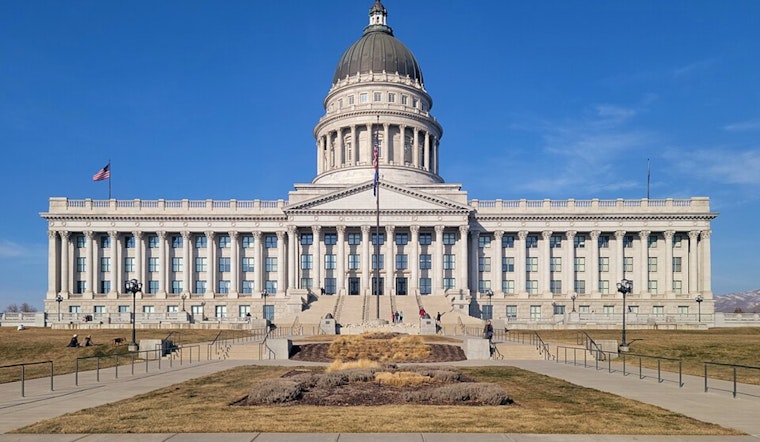
Utah lawmakers are weighing a move that could reshape how the state runs its newest prison, with S.B. 93 poised to turn the current "direct supervision" and tiered-housing model from a legal requirement into an option. The proposal has triggered a formal complaint from prison-reform advocates, who argue it would gut hard-won protections for incarcerated people and the staff who guard them. Supporters counter that the change is about flexibility and safety, not rolling back reform.
Sen. Derrin Owens, who is running S.B. 93 on Capitol Hill, told ABC4 the bill is meant to address safety problems at the Utah State Correctional Facility. He pointed to "seven assaults on officers in the first six months" and said one officer ended up hospitalized. Owens has framed the proposal as giving the Department of Corrections more tools to protect officers and stabilize difficult housing units while still pursuing reentry and rehabilitation work, a core talking point for backers at the Capitol.
What the bill actually changes
The measure rewrites several sections of Utah's corrections law so that some current mandates become optional. It swaps out "shall implement" for "may implement" when it comes to direct supervision, brackets statutory language that spells out direct supervision and its tiered-housing components, and drops a previously required annual report on implementation, according to the Utah Legislature. S.B. 93 also tightens the unmanned-aircraft statute by banning drones from carrying or dropping items into prison property and by increasing some violations to felonies. While it pares back certain operational mandates, the bill leaves in place requirements for statewide recidivism metrics and offender counts.
Advocates say the tweak is more than technical
Prison-reform advocates Sandra Bytendorp, Selanie Allred, and Nadine Salyer have already filed a formal complaint with the Utah Department of Corrections over how tiered housing has been rolled out. They told ABC4 that S.B. 93 "goes beyond a technical edit." Bytendorp argues the bill would "eliminate enforcement provisions," and advocates warn that the millions Utah has poured into reentry and rehabilitation will not mean much if basic housing and supervision standards are downgraded from requirements to suggestions.
How direct supervision and tiered housing work
Under the current statute, direct supervision is meant to cut down on violence by putting staff in constant interaction with incarcerated people, removing physical barriers between officers and residents, and using a tiered-housing system that rewards pro-social behavior and groups people with similar conduct together. S.B. 93 strips out the mandatory language tied to that model and swaps references to "direct" supervision for a broader standard that calls for "appropriate supervision and trauma-informed care," according to the Utah Legislature. Advocates say that the shift turns a specifically named best practice into something closer to optional guidance.
Supporters' case
Supporters insist the bill is a practical fix, not a punitive turn. They argue that corrections leaders need the ability to choose supervision models that actually work inside the new facility, especially with staffing shortages and officer assaults in the mix. Backers also note that the legislation keeps certain data-reporting requirements in place, including statewide recidivism metrics and offender counts, which they present as a way to preserve transparency even as day-to-day operations become more flexible. Opponents respond that once the law stops mandating specific standards, both officers and incarcerated people lose a key layer of protection.
Where the bill stands
S.B. 93 was introduced in the Senate on January 20, 2026, and routed to the Senate Judiciary, Law Enforcement, and Criminal Justice Committee, according to tracking by LegiScan. In the coming weeks, committee members will decide whether to amend the bill, move it forward, or set it aside. Advocates say they plan to use that stage to press for tighter oversight and clearer standards written directly into law.
Legal implications
Legal observers and reform advocates warn that turning statutory duties into policy choices makes it much tougher to challenge harmful practices, either through administrative channels or in court, because optional language is less likely to create enforceable rights. Lawmakers point out that the bill keeps key data-reporting rules and adds fresh criminal penalties for drone-based contraband as guardrails. The fight over S.B. 93 highlights how a seemingly technical change in wording can carry very real consequences, and sets up a committee debate over whether flexibility or enforceability is the better path to safety and rehabilitation inside Utah's prisons.





