

























































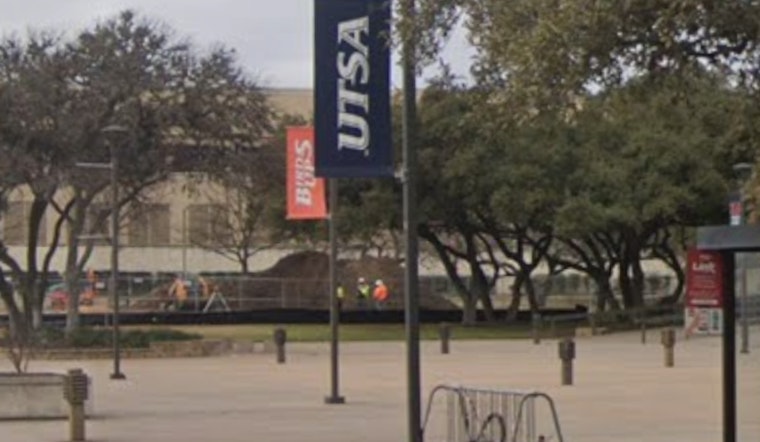
The University of Texas at San Antonio is set to fold its Department of Race, Ethnicity, Gender and Sexuality Studies into the Department of Bicultural‑Bilingual Studies this fall, a move that has faculty and students immediately asking what it will mean for money, classes and who actually calls the shots. The consolidation, shared with faculty earlier this year, lands at a moment when campuses across Texas are being reshaped by policy changes and administrative reviews, as reported by the San Antonio Express-News.
On Jan. 16, College of Education and Human Development Dean Mario Torres told faculty via a college listserv that the two academic units would be consolidated into a single department, with the change scheduled to take effect Sept. 1, and that “no changes to faculty or staff positions, reporting structures, or job responsibilities are planned,” according to the San Antonio Express-News. The department currently brings together three undergraduate majors, African American Studies, Mexican American Studies and Women’s, Gender and Sexuality Studies, according to UTSA.
A wider pattern in Texas higher education
UTSA is not alone. Earlier this month, the University of Texas at Austin told faculty that several ethnic and gender studies units would be folded into a new Department for Social and Cultural Analysis, as reported by The Texas Tribune. Administrators have framed these moves as responses to program size and overlap. Critics see something different, describing a politically driven pullback that could reshape dozens of programs and affect hundreds of students across the state.
At UTSA, professors told reporters that the merger was presented as essentially a done deal at a faculty meeting before the semester started, with little advance consultation, the San Antonio Express-News reports. Observers note that similar reorganizations are surfacing at other universities as well. Coverage in higher‑education outlets has highlighted a common thread, anxiety among faculty and students about losing departmental autonomy and institutional support. For additional national context, see reporting by Inside Higher Ed.
What comes next at UTSA
According to university communications summarized in media reports, the transition will be overseen by a task force made up of faculty, staff and students, which is expected to recommend how the new combined department should be structured and resourced. Administrators have described the consolidation as a strategic move meant to strengthen programs and shore up long‑term finances. Students have been told by college leadership that they do not need to take any immediate action to stay on track with their degrees, according to local reporting.
Legal and policy backdrop
These changes are unfolding under new legal and political rules in Texas. In 2023, lawmakers passed Senate Bill 17, which restricted campus diversity, equity and inclusion offices and took effect in January 2024, a shift that has drawn national media attention. For the University of Texas System in particular, the Board of Regents on Feb. 19 approved a policy instructing campuses to avoid discussion of “unnecessarily controversial” material that is not directly related to course objectives, a rule critics argue is vague and could chill classroom instruction, as reported by The Texas Tribune and covered more broadly in national outlets.
Why faculty and students are worried
Faculty interviewed by reporters say they fear the merger could chip away at curricular independence, limit access to resources and reduce their influence over academic decisions, all of which they worry could weaken smaller programs over time. Department webpages and alumni spotlights at UTSA emphasize the programs’ impact on students’ community ties and careers, and alumni quoted on the university’s site often trace internships and mentorships back to the department’s work. Those long‑running connections are a key part of what faculty say they are fighting to preserve. Program details and alumni testimonials are available on UTSA.
This story is still unfolding. University leaders, faculty and student organizations say more specifics about department leadership, curriculum changes and how current majors will be maintained should emerge as the task force begins its work. Coverage will be updated as UTSA or the UT System releases additional information.




