

























































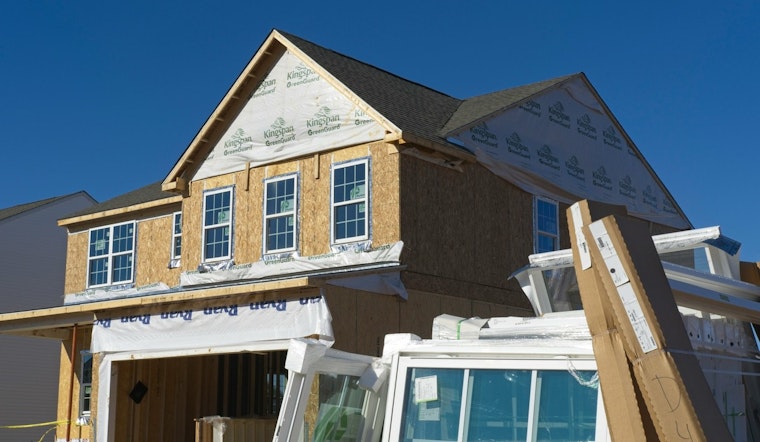
On the Westside of Los Angeles, the hot move right now is not moving at all. From tight Venice bungalows to roomy Pacific Palisades lots, owners are ripping out kitchens, stacking on second stories and, in many cases, rebuilding entire houses so they can get more space and modern finishes without changing their ZIP code. The result is that once-quiet streets are turning into long-running construction zones, and design-build firms have become the power players of the block.
As reported by The New York Times, a big force behind the shift is a shrinking pool of entry-level options. The share of annual Los Angeles home sales priced under $1.4 million dropped from about 72 percent in 2019 to roughly 61 percent in 2025, which tightens the market for buyers hoping to trade up. With fewer relatively affordable move-up homes to choose from, many owners who can swing it are pouring money back into the properties they already have, reshaping how and where renovation dollars are spent across the city.
Tami Pardee of Pardee Properties told the Times that, in many cases, "owners are trying to remodel rather than move," a trend that local brokerage data backs up. The paper also noted that roughly 308,000 Los Angeles homeowners still hold mortgage rates below 3 percent, a powerful reason not to sell and jump into a far more expensive loan. Taken together, locked-in low rates, built-up equity, and thin entry-level inventory help explain why the Westside remodel surge is happening now instead of a decade ago.
Builders, Show Homes And Turnkey Offerings
Local builders have seized on the moment with full-service remodel and rebuild packages that bundle design, permitting, and construction into one contract. Thomas James Homes, a prominent player in Palisades rebuilds, told The Los Angeles Times it has scores of projects in motion and leans on in-house design and procurement teams to speed things up. For owners who would rather live through one intense but coordinated build than box up their lives and move, those one-stop setups can look like the least bad option.
Permits And The City's Role
Permits remain the choke point for bigger jobs. Plan checks, inspections, and zoning reviews all take time, and that lag shows up in project costs. City permit dashboards and compiled open data points to a steady share of recent permits going to alterations and repairs, and they show West Los Angeles as a hot spot for permit activity, according to OpenDataLosAngeles. The mayor’s office has also tried to clear a path for disaster-area rebuilds, issuing emergency actions and process tweaks meant to move approvals along faster in Pacific Palisades, according to the city's announcement. Those changes have sped up some projects and underscored just how much paperwork can determine how quickly a remodel turns into a livable home.
Neighborhood Effects And Community Reaction
The renovation boom comes with its own neighborhood tradeoffs. Residents get months of hammering, more trucks on narrow streets and dust, then eventually a fresher housing stock and, in many cases, higher sale prices on upgraded blocks. Local coverage has tracked worries that high-gloss show homes and speculative rebuilds will reshape neighborhood character even as they restore properties to turnkey condition, as noted by The Los Angeles Times. For some longtime Westsiders, the remodel wave looks like a practical fix for an expensive market; for others it feels like an early look at a different version of the area.
Permitting Note
Owners planning major work are urged to build in time and financial cushion for multiple plan review cycles and inspections, and to confirm whether their project scope qualifies for any express permitting options. The city publishes guidance on how plan check and permitting work, and applicants are generally well served by architects or contractors who already know local LADBS rules. For baseline requirements and step-by-step details, the L.A. Department of Building and Safety spells out what owners and contractors can expect.
For many Westside homeowners, renovating instead of moving makes it possible to keep historically low mortgage rates while effectively trading up to larger and newer homes. It also means swapping the stress of a move for the headaches of construction. As permitting dashboards and builder timelines shift over the coming year, Angelenos will get a clearer view of whether renovation remains the go-to way to climb the housing ladder on the Westside.





