

























































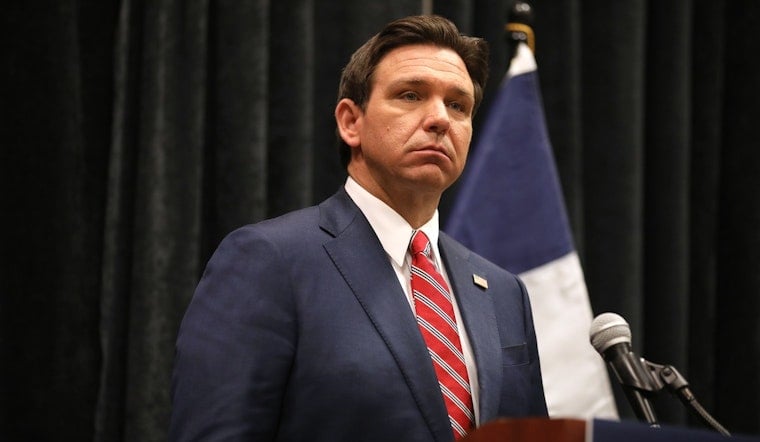
Gov. Ron DeSantis’ name is all over the Justice Department’s newly bulked-up "Epstein Library," but so far the references are mostly background material, not bombshell new criminal allegations. A News 6 review found roughly 90 documents that mention the governor, a figure that has been making the rounds online since the latest document dump. For Floridians scrolling the files, it is a reminder that in a massive, unfiltered release, a name hit can sound far more dramatic than it actually is.
What’s in the ‘Epstein Library’?
News 6 at WKMG turned up about 90 documents with DeSantis’ name in the Justice Department collection. A closer look shows that many of those hits are routine or administrative in nature: newsletters, standard Florida Department of Law Enforcement headers, duplicated records and other contextual material, rather than fresh allegations, as reported by WKMG ClickOrlando. The station highlighted a small number of entries that drew extra attention, while stressing that context is key.
The Department of Justice says it released more than 3 million additional pages on Jan. 30, 2026, bringing the total production to nearly 3.5 million pages, and it warned that the trove includes a wide range of material, from duplicates to submissions that may be unverified, as the Department of Justice noted in a Jan. 30 press release. The agency operates a searchable Epstein Library that allows the public and researchers to sift through the records.
Why DeSantis’ name appears
Many of the mentions trace back to steps DeSantis took as governor in 2019. That year he formally asked the Florida Department of Law Enforcement to take over a Palm Beach County investigation into Jeffrey Epstein’s work-release arrangements after a request from Sheriff Ric Bradshaw, as reported by CNN. At the time, DeSantis said, "Floridians expect and deserve a full and fair investigation," language that now reappears in public records and media summaries tied into the federal collection.
HB 117 and grand-jury records
Another cluster of references stems from HB 117, which DeSantis signed on Feb. 29, 2024. The law permits disclosure, under specific conditions, of certain grand-jury testimony from the 2006 Palm Beach case, according to the Florida governor’s office. The HB 117 press release outlines those conditions: among them, that the subject must be deceased and the testimony must relate to sexual activity with a minor. Those rules help explain why some documents in the Epstein Library cross-reference both state and federal records.
Odd entries and raw data
In its review, WKMG flagged a 2025 document in the Justice Department collection that includes a multi-page conspiratorial message. The submission makes uncorroborated accusations, including one that names DeSantis among others, and the outlet characterized it as largely incoherent and unverified, as reported by WKMG ClickOrlando. Observers had already warned that a broad public release would likely sweep in that kind of raw, unvetted material.
The wider disclosure has also raised questions about what is missing or heavily blacked out. The Justice Department says it is reviewing whether any documents were improperly withheld after news organizations pointed to gaps and reporters identified interview summaries that did not appear in the public release, according to The Associated Press. Survivors’ advocates and journalists have also criticized rushed redactions that, in some instances, exposed victim information, underscoring the risks of treating raw case files as if they were tidy, final narratives.
Legal note
Being named in the Epstein Library is not the same thing as facing criminal allegations. A person’s name can appear in administrative memos, press summaries or policy documents without suggesting misconduct. Under HB 117, the statute DeSantis signed, grand-jury testimony can be released only when strict criteria are satisfied, according to the Florida governor’s office.
What to watch next
So far, DeSantis’ presence in the records lines up with actions he took while in office, including the 2019 FDLE request and the 2024 legislation, rather than with any newly verified allegation. Anyone who wants to dig into the material firsthand can search the Department of Justice’s Epstein Library online, but journalists and legal experts continue to urge patience and verification before treating name checks in a sprawling document dump as proof of wrongdoing.





.jpg)