

























































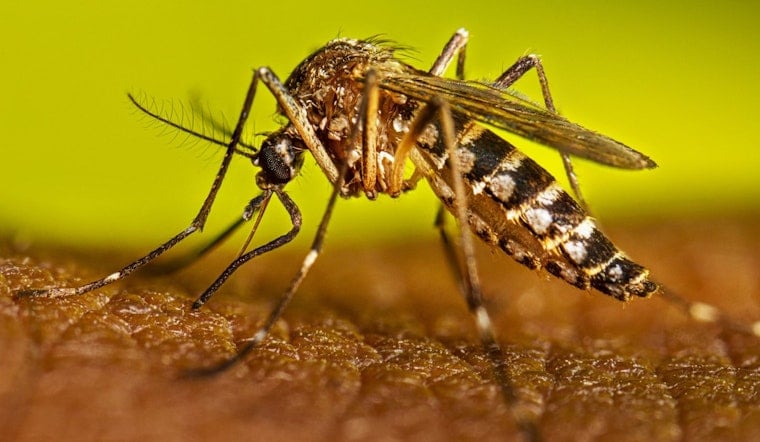
South Florida is entering the part of summer when a tiny backyard puddle can become a public-health problem: health officials have confirmed dengue cases in both Palm Beach County and Miami-Dade, while mosquito surveillance has detected species capable of carrying disease. The warnings arrive as residents spend more time outdoors and seasonal mosquito activity ramps up.
Palm Beach County and Miami-Dade health officials have issued alerts urging residents to increase personal protection, according to a report published by CBS12, which cited the Associated Press. The report notes that dengue cases typically face their highest-risk window from July through September.
The Mosquitoes Bite During The Day, Too
The concern centers on Aedes mosquitoes, which can spread dengue, chikungunya, Zika and other viral infections. Palm Beach County says Aedes aegypti and Aedes albopictus are common around water-holding plants such as bromeliads and can transmit several mosquito-borne diseases, while the Centers for Disease Control and Prevention says the mosquitoes can bite during the day and at night.
That daytime behavior makes a quick afternoon errand, backyard chore or pool break part of the exposure window—not just evening activities. Health officials are asking residents to remove standing water from buckets, flowerpots, toys, gutters, coolers and other containers where mosquitoes can breed.
Drain Water, Cover Skin And Watch For Symptoms
Miami-Dade's annual Fight the Bite campaign recommends draining standing water, wearing long pants and closed-toe shoes, and applying an EPA-registered repellent as soon as you head outside, according to CBS Miami. Residents should also repair window and door screens and keep water-holding containers tightly covered.
Dengue can cause fever, headache, pain behind the eyes, muscle or joint aches, nausea, vomiting and a rash. The CDC says severe warning signs include belly pain, repeated vomiting, bleeding from the nose or gums, blood in vomit or stool, and extreme tiredness or restlessness; anyone experiencing those symptoms should seek urgent medical care and mention possible mosquito exposure.
South Florida has seen similar warnings before, including a 2024 Palm Beach County dengue case that prompted increased surveillance and mosquito-control work, as Hoodline previously reported. Miami-Dade officials said in May that the county monitors more than 300 traps weekly and that locally transmitted dengue cases had fallen from 161 in 2023 to 50 in 2024 and 25 in 2025, but the latest alerts show mosquito precautions remain a year-round South Florida chore.




