

























































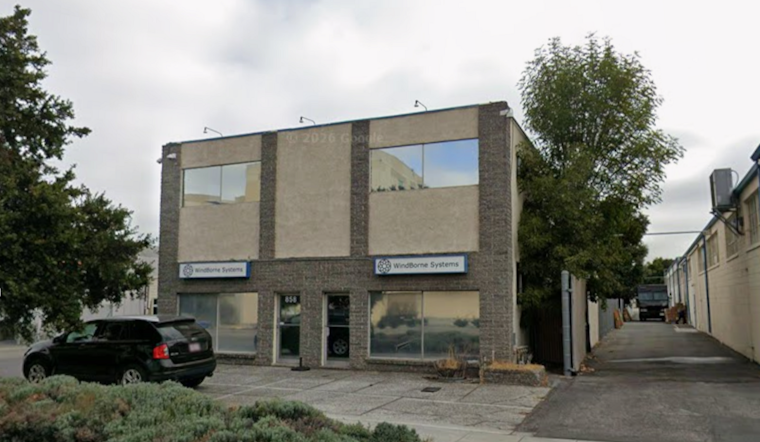
Windborne Systems is trading cramped quarters for a cavernous new home on the Peninsula. The Palo Alto-born weather-tech startup signed a lease for roughly 50,000 square feet in Redwood City as it gears up to mass-produce its atmospheric sensing balloons. The new factory footprint is about eight times larger than the space the company has been using for manufacturing, which leaders say is critical if they are going to turn out thousands of balloons to feed the startup's AI weather forecasts.
According to the Silicon Valley Business Journal, the Redwood City lease covers roughly 50,000 square feet dedicated to assembly and testing. The outlet reported that Windborne now needs eight times more space to expand production and support its navigation and sensor teams. The Business Journal framed the deal as a manufacturing pivot for a company that has spent years proving its balloons in real-world conditions.
The scaling push follows a $15 million fundraising round Windborne announced in June 2024 to advance its AI-driven forecast model, WeatherMesh, and expand its balloon constellation. The company has told investors it aims to have up to 10,000 balloons operating at the same time by 2028 in order to close big atmospheric data gaps and sharpen medium-range forecasts. Those plans were laid out in detail in a company release on Business Wire.
Redwood City Real Estate Angle
Redwood City has quietly become one of the Peninsula's hottest spots for leasing and life-science projects, even as some big tech tenants have trimmed office footprints nearby. That has created a mixed landscape for large industrial or lab space. Local real estate reporting says the blend of available office buildings and new life-science developments makes Redwood City an attractive, if competitive, place for a climate-tech manufacturer to land. The city's pipeline of conversions and new campuses gives manufacturers a handful of viable options for large footprints and fast scale-up, according to The Real Deal.
Why the Factory Matters
"Just as the privatization of space catalyzed huge leaps over the past few decades, we're driving an equally exciting shift in weather technology," CEO John Dean said in a company release. Windborne argues that a domestic production line will help lower unit costs and let engineers iterate faster on sensors and avionics. That capability is central to keeping up with the pace required for thousands of long-duration flights as the company scales its Atlas constellation, according to the release on Business Wire.
Jobs, Timeline and What Comes Next
Windborne's website and company materials say the startup plans to beef up its engineering, operations, and launch teams as it ramps up production and sends more balloons aloft. The firm has already increased its monthly launch cadence and says it will hire for flight-control and manufacturing roles to support a larger constellation. The company's site highlights ongoing launch programs and a plan to grow both its data products and forecasting tools in parallel with hardware output, per WindBorne Systems.
The Redwood City factory marks a shift for Windborne from proving hardware in the field to true industrial-scale production, a move that could help turn its balloon constellation into an operational data network. Local leaders and investors will be watching to see whether the Peninsula can provide the talent and space the company needs to hit its 10,000-balloon goal.





